
Frequently Bought Together
Description
Course Description:
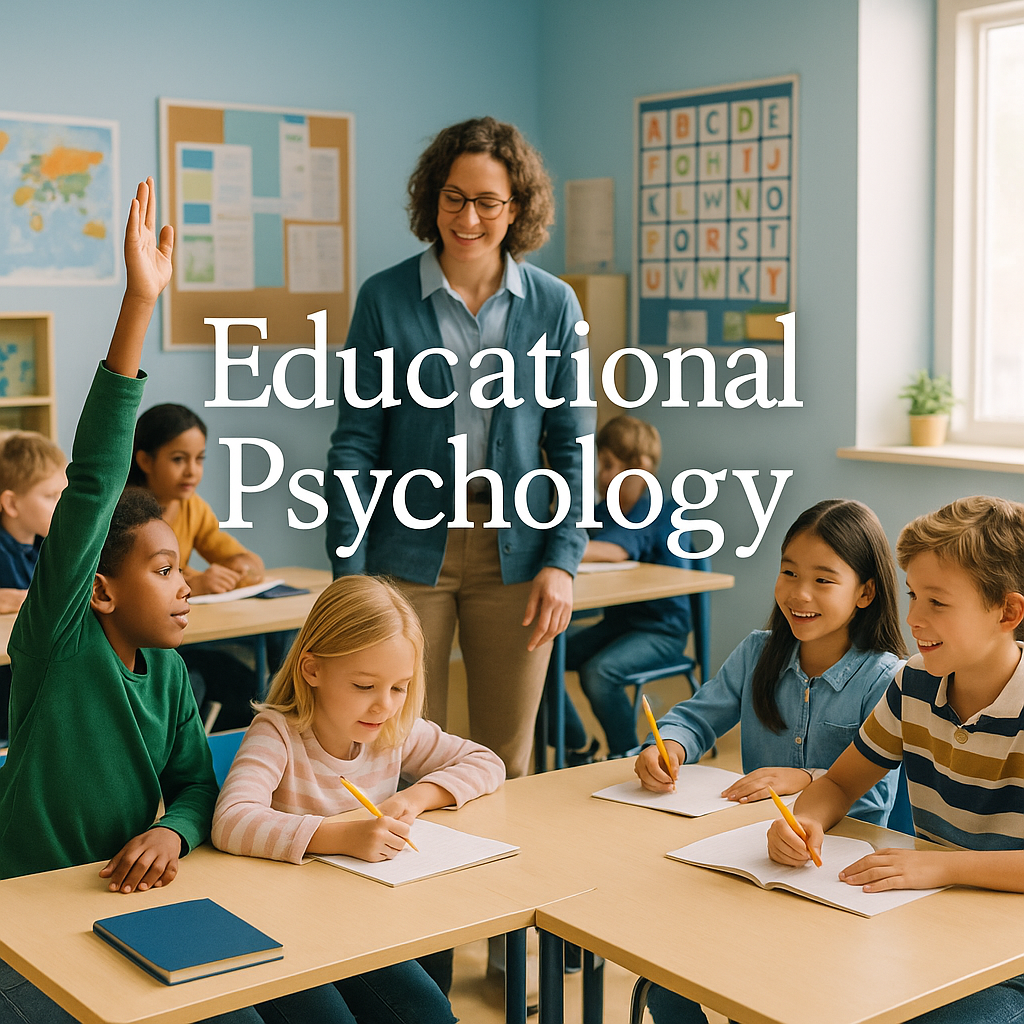
How do students learn best — and how can educators use psychology to enhance that process?
Unlocking the Potential of Educational Psychology: A Beginner’s Guide to Theory and Practice is a comprehensive, reader-friendly introduction to the science of learning. Whether you’re an aspiring teacher, education student, or simply curious about how the mind works in academic settings, this book offers a practical roadmap to understanding the psychological principles that shape education.
Through 15 engaging chapters, you’ll explore the powerful intersection between theory and classroom practice:
? Chapter 1: Introduction to Educational Psychology
Get an overview of how psychology informs effective teaching and learning.
? Chapter 2: Foundational Theories of Learning
Understand classic frameworks from Piaget, Skinner, Vygotsky, and more.
? Chapter 3: Cognitive Development in Learners
Explore how thinking evolves from childhood through adolescence.
? Chapter 4: Motivation and Learning
Learn how to spark student engagement and sustain academic interest.
? Chapter 5: The Role of Emotion in Learning
Discover how emotional well-being influences focus, memory, and performance.
? Chapter 6: Individual Differences in Learning
Address diverse learning styles, abilities, and needs in today’s classrooms.
?️ Chapter 7: Constructivist Approaches to Teaching
Apply student-centered strategies that promote deep understanding.
? Chapter 8: Assessment and Evaluation in Education
Explore fair and effective ways to measure learning and growth.
? Chapter 9: Social Learning and Peer Influence
Examine how peers and social context shape behavior and achievement.
? Chapter 10: The Impact of Technology on Learning
Evaluate digital tools and their role in modern education.
?? Chapter 11: The Role of Teachers in Educational Psychology
Understand the educator’s influence on learning outcomes and emotional development.
? Chapter 12: Creating Inclusive Learning Environments
Promote equity, safety, and belonging in diverse educational settings.
? Chapter 13: The Importance of Classroom Management
Master techniques for structure, discipline, and fostering a positive climate.
? Chapter 14: Research Methods in Educational Psychology
Learn how educational psychologists study learning and behavior.
?️ Chapter 15: Applying Educational Psychology in Practice
Bridge theory and action with strategies you can implement right away.
Whether you’re preparing for a teaching career or looking to improve your educational impact, this guide will equip you with the knowledge and confidence to make learning more effective and meaningful for every student.
Empower minds, inspire growth — and transform the way we teach and learn.








Reviews
There are no reviews yet.