
Frequently Bought Together
Description
Book Overview
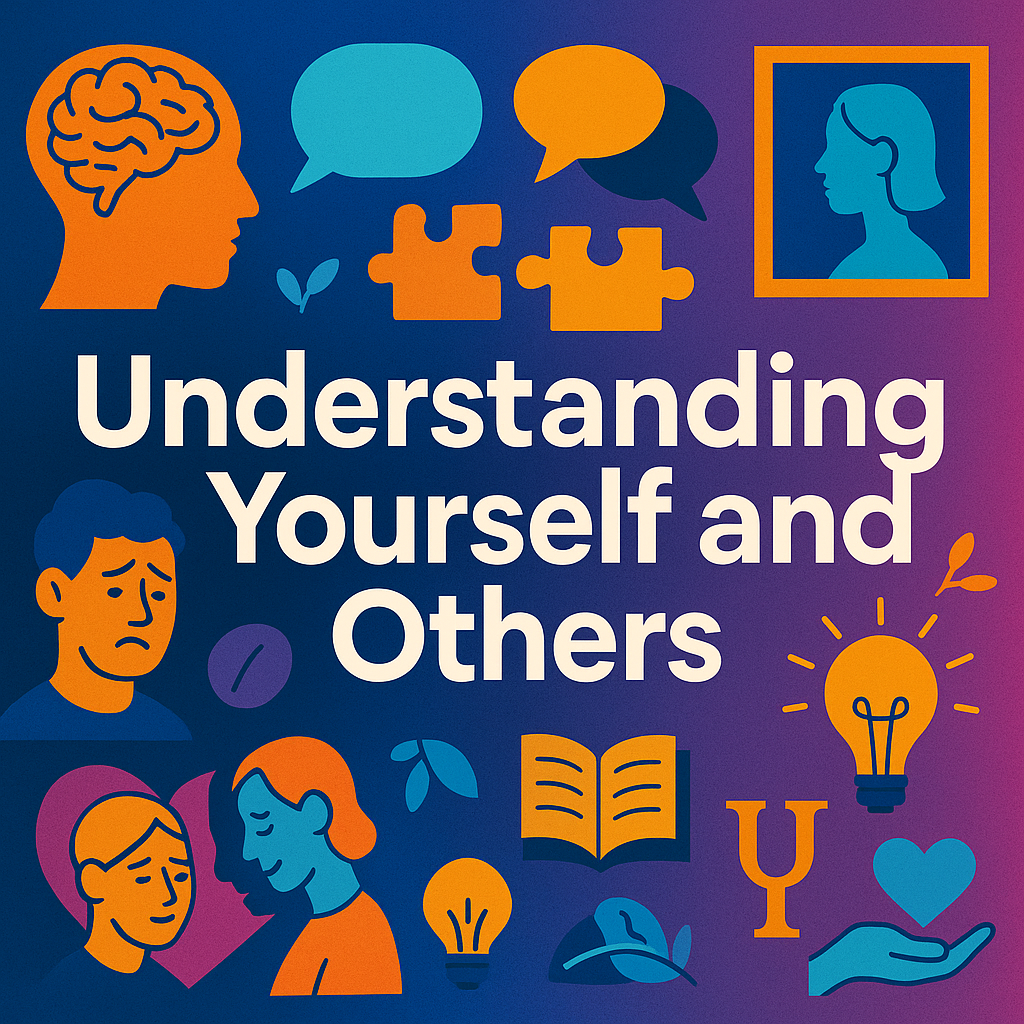
“Understanding Yourself and Others: A Beginner’s Guide to Emotional Intelligence” is a valuable resource for individuals seeking to explore the realm of emotional intelligence (EI). This book explores the significance of EI in personal and professional contexts, emphasizing how understanding emotions—both our own and those of others—can enhance relationships, decision-making, and overall well-being. Emotional intelligence is not just a buzzword; it is a foundational skill set that can lead to greater social success, improved empathy, and increased resilience. This guide offers a friendly and engaging approach, making complex concepts accessible to complete beginners. By the end of this journey, readers will not only grasp the fundamentals of EI but also appreciate its profound impact on their lives.
Core Concepts
Emotional Awareness: The ability to recognize and understand one’s own emotions and those of others.
Empathy: The capacity to comprehend and share the feelings of another, which is essential for healthy interpersonal relationships. Emotional Regulation: The skill of managing emotions effectively, allowing for better responses to challenges and stressors.
Social Skills: Proficiency in managing relationships and building networks, essential for collaboration and cooperation.
Motivation: The drive to pursue goals with energy and persistence, often influenced by emotional awareness.
Book Structure
1. Chapter 1: Introduction to Emotional Intelligence
This introductory chapter welcomes readers to the fascinating field of emotional intelligence. It establishes the importance of EI in our daily lives by providing relatable examples, such as how emotional awareness can improve personal relationships and workplace dynamics. Key terminology, such as empathy and emotional regulation, is defined clearly and concisely. The chapter explores the historical context of EI, tracing its origins and development through influential research, thus laying a solid foundation for the concepts that follow.
2. Chapter 2: Understanding Your Emotions
This chapter focuses on the first core concept: emotional awareness. Readers will learn techniques to identify their own emotions and understand how these feelings influence their behavior and decision-making. Through relatable scenarios, such as handling stress or managing anger, the chapter illustrates the importance of recognizing emotional triggers. Practical exercises, such as emotion journaling, encourage self-reflection, enabling readers to develop a deeper understanding of their emotional landscape.
3. Chapter 3: Building Empathy
In this chapter, the book explores the crucial role of empathy in emotional intelligence. Readers will explore various strategies to enhance empathetic skills, such as active listening and perspective-taking. Engaging case studies illustrate the transformative power of empathy in real-life situations, demonstrating how understanding others can lead to more effective communication and conflict resolution. The chapter also includes practice problems that challenge readers to apply their empathetic skills in hypothetical scenarios, fostering practical understanding.
4. Chapter 4: Mastering Emotional Regulation
This chapter addresses emotional regulation, teaching readers how to manage their emotions constructively. Techniques such as mindfulness, cognitive restructuring, and stress management strategies are discussed, providing a toolkit for effective emotional responses. Real-world examples highlight how individuals can apply these techniques in challenging situations, such as workplace stress or interpersonal conflicts. Reflection questions throughout the chapter encourage readers to reflect on their emotional responses and develop personalized strategies for managing their emotions.
5. Chapter 5: Conclusion and Future Directions
In the concluding chapter, the book synthesizes the concepts covered, reinforcing the journey readers have taken through the essential aspects of emotional intelligence. It highlights the interconnectedness of emotional awareness, empathy, emotional regulation, and their application in social skills and motivation. The chapter acknowledges the ongoing nature of learning about EI and encourages readers to seek further knowledge and practice. It also discusses the implications of EI in various contexts, including education, leadership, and personal development, inspiring readers to continue their exploration beyond the book.
Learning Approach
The book adopts a multifaceted learning approach designed to engage readers actively. Each chapter features case studies that illustrate real-life applications of emotional intelligence concepts, making the material relatable and practical. Readers will encounter theoretical frameworks that provide a structured understanding of EI, alongside concrete examples to ground their learning. Additionally, practice problems and reflective questions encourage self-assessment and the application of concepts, fostering a deeper understanding of emotional intelligence in everyday situations.
Key Takeaways
By the end of this book, readers will have a solid understanding of emotional intelligence and its core components. They will be equipped with actionable skills to enhance their emotional awareness, develop empathy, and effectively regulate their emotions. Furthermore, readers will appreciate the importance of these skills in enhancing relationships, improving communication, and achieving personal and professional goals. The knowledge gained will empower them to navigate their emotional landscape more skillfully and enrich their interactions with others.
Target Application
The insights and skills acquired from this book can be applied across various contexts. Academically, students can utilize emotional intelligence to enhance group work and collaboration. Professionally, individuals can leverage EI to improve teamwork, leadership effectiveness, and customer relations. On a personal level, the concepts presented will help readers build healthier relationships, manage conflicts more effectively, and cultivate a greater sense of well-being. This book serves as a practical guide for anyone eager to enrich their understanding of themselves and their interactions with others.




Reviews
There are no reviews yet.