
Frequently Bought Together
Description
Course Overview
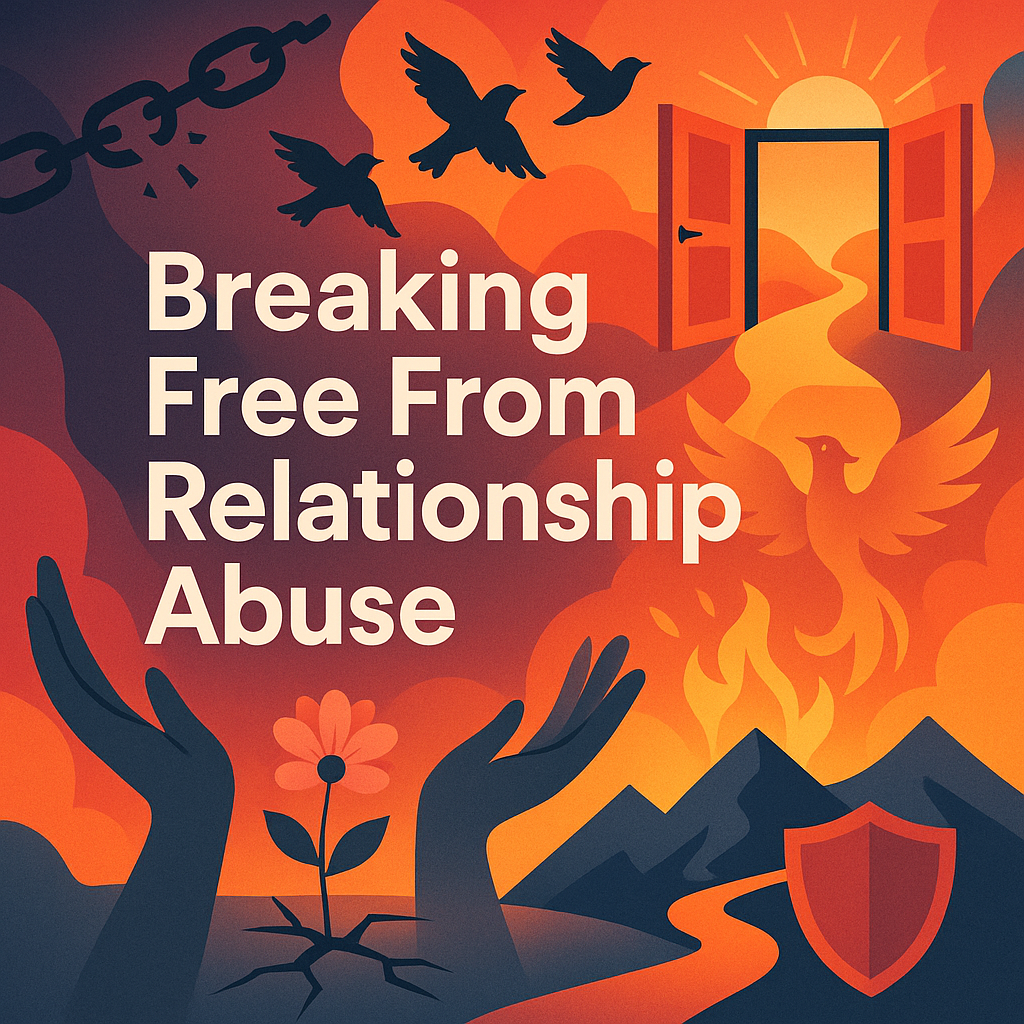
This course, “Step-by-Step to Safety: A Formal Guide for Breaking Free from Relationship Abuse,” is designed to empower individuals seeking to understand and navigate the complexities of abusive relationships. Through a structured and supportive online learning environment, participants will gain critical insights into recognizing signs of abuse, understanding its impact, and learning effective strategies for securing their safety and well-being. This course not only provides essential knowledge but also equips learners with practical skills and resources needed for a successful transition to a safer life. Every step taken in this course is a step towards reclaiming autonomy and fostering resilience.
Learning Objectives
Identify various forms of relationship abuse and their psychological impact on individuals. Develop personalized safety plans that address unique circumstances and needs. Utilize available resources and support systems to exit an abusive relationship safely. Implement coping strategies to manage emotional distress during the healing process. Demonstrate knowledge of legal rights and protections available to victims of abuse.
Prerequisites
No specific prerequisites are required for this course. However, a willingness to engage with the material and reflect on personal experiences can enhance the learning process. It is recommended that learners approach the course with an open mind and readiness to explore sensitive topics related to relationship dynamics.
Course Structure
1. Chapter 1: Understanding Relationship Abuse
This chapter introduces the concept of relationship abuse, discussing its various forms, including physical, emotional, and psychological abuse. Learners will explore real-life examples to recognize the warning signs and understand the dynamics of power and control.
Chapter 2: The Impact of Abuse
Participants will learn about the emotional and psychological effects of abuse on individuals. This chapter emphasizes the importance of recognizing personal feelings and experiences as valid and explores common reactions to trauma.
Chapter 3: Building a Support Network
This chapter focuses on identifying and cultivating a support system, including friends, family, and professional resources. Learners will understand how to communicate their needs and seek help from others effectively.
Chapter 4: Creating a Safety Plan
Participants will learn the essential components of a safety plan tailored to their specific situation. This includes identifying safe spaces, establishing emergency contacts, and outlining steps to take in crises.
Chapter 5: Recognizing When to Leave
This chapter discusses the pivotal decision of exiting an abusive relationship. Learners will assess their situations and understand the factors that may influence their choice to leave, including timing and safety considerations.
Chapter 6: Navigating Legal Options
Participants will explore legal rights and protections available to victims of relationship abuse, including restraining orders and custody considerations. This chapter provides an understanding of how to access legal support effectively.
Chapter 7: Developing Coping Strategies
This chapter equips learners with practical coping mechanisms for managing stress and emotional pain following an abusive relationship. Techniques such as mindfulness and journaling will be discussed.
Chapter 8: Engaging with Professional Help
Participants will learn about the benefits of therapy and counseling in the healing process. This chapter covers how to find the proper professional support and what to expect during therapy sessions.
Chapter 9: Rebuilding Self-Esteem
This chapter focuses on rebuilding self-worth after leaving an abusive relationship. Learners will explore activities and affirmations that promote self-love and confidence.
Chapter 10: Establishing Healthy Relationships Participants will learn how to recognize the traits of healthy relationships and the importance of setting boundaries. This chapter provides tools for nurturing positive connections moving forward.
Chapter 11: Understanding Abuse Cycles
This chapter delves into the cycle of abuse, illustrating how abusers manipulate and control their victims. Learners will gain insight into the patterns that can help them recognize potential red flags in future relationships.
Chapter 12: Financial Independence
This chapter highlights the importance of financial literacy and independence in the context of leaving an abusive relationship. Learners will explore budgeting, saving, and seeking financial assistance.
Chapter 13: Community Resources
Participants will discover various community resources available to support victims of abuse, including shelters, hotlines, and advocacy organizations. This chapter emphasizes the importance of utilizing local resources.
Chapter 14: Understanding Your Rights
This chapter focuses on the legal rights of individuals who have experienced abuse. Learners will explore civil and criminal laws that protect victims and the importance of reporting abuse.
Chapter 15: Preparing for a Safe Exit
Participants will learn practical steps to prepare for leaving an abusive relationship, including logistics for moving, securing important documents, and ensuring personal safety.
Chapter 16: The Role of Support Groups.
This chapter discusses the benefits of joining support groups for survivors of abuse. Learners will understand how sharing experiences can foster healing and solidarity.
Chapter 17: Healing Through Art and Expression
Participants will explore creative outlets as a means of healing. This chapter encourages engagement with artistic expression and its potential to facilitate emotional processing.
Chapter 18: Long-Term Strategies for Safety
This chapter emphasizes the importance of ongoing self-care and vigilance after leaving an abusive relationship. Learners will create long-term strategies to maintain their safety and well-being.
Chapter 19: Moving Forward with Confidence
Participants will focus on strategies for moving forward in life with renewed confidence. This chapter encourages goal setting and planning for a future free from abuse.
Chapter 20: Conclusion and Next Steps
This final chapter reviews the key concepts covered throughout the course. Participants will reflect on their learning journey and explore resources for further support and education, celebrating their progress and resilience.
Learning Delivery Methods
Content will be delivered through a variety of self-paced online modules, including engaging video lessons, interactive exercises, and downloadable resources. Learners will have access to practice activities designed to reinforce understanding and facilitate real-world application. Self-assessment tools will enable participants to track their progress and reflect on their learning experiences, ensuring a holistic approach to education.
Assessment & Practice
Students will demonstrate their learning through automated quizzes, self-check exercises, and practical assignments related to course content. Downloadable worksheets will facilitate personal reflection and
application of concepts. Reflection prompts will encourage learners to evaluate their experiences and knowledge as they progress through the course, providing a comprehensive understanding of their journey.
Expected Outcomes
By the end of this course, learners can confidently identify the signs of relationship abuse, create effective safety plans, access community resources, and implement coping strategies for emotional health. Participants will be equipped to make informed choices about their relationships and navigate their path toward safety and empowerment.

Reviews
There are no reviews yet.