
Frequently Bought Together
Description
Book Overview
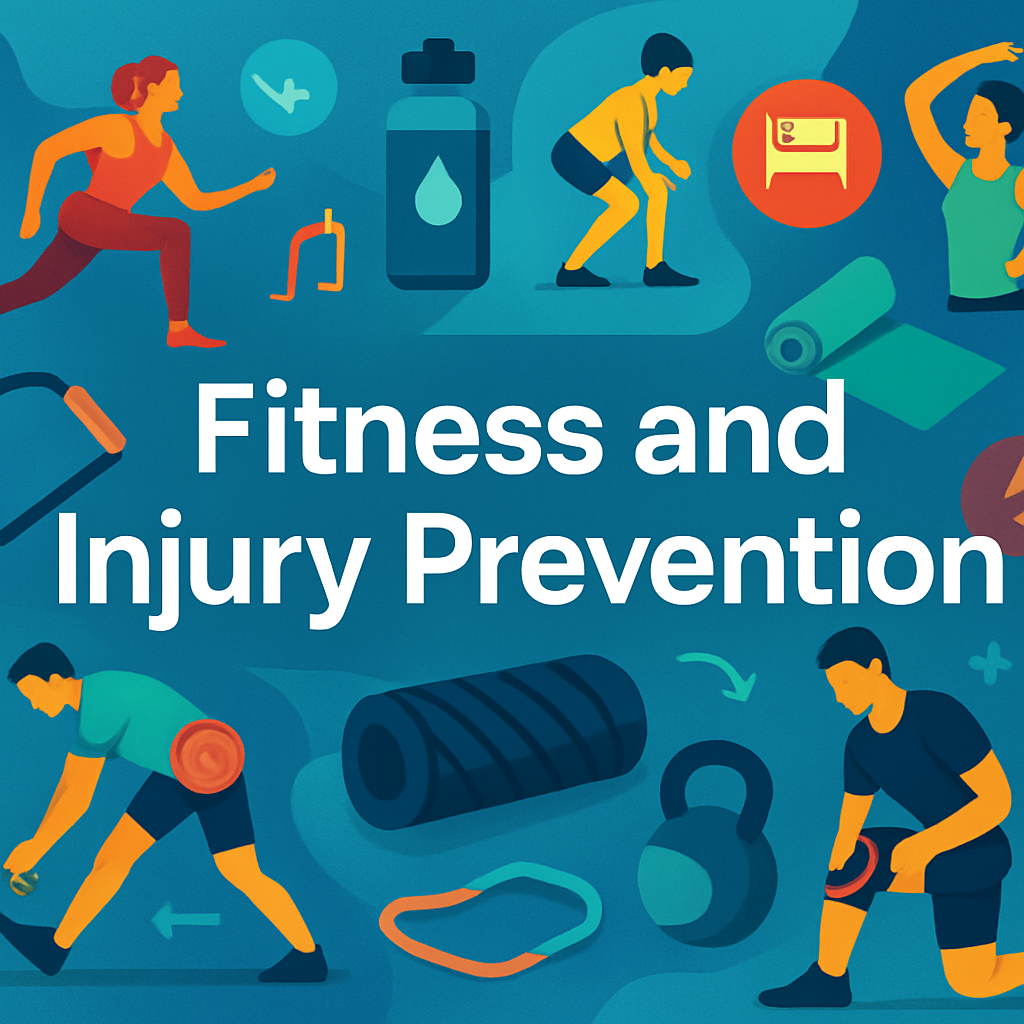
“Move Better: Your Guide to Functional Fitness and Injury Prevention” is a comprehensive resource dedicated to helping individuals improve their physical movement patterns, enhance overall fitness, and prevent injuries. In today’s fast-paced world, many adults face challenges related to poor posture, sedentary lifestyles, and the increasing prevalence of injuries—especially among those engaging in physical activities without proper guidance. This book provides a comprehensive understanding of functional fitness, exploring the mechanics of human movement, the importance of injury prevention, and practical strategies for incorporating functional exercises into daily routines. By equipping readers with knowledge and tools, “Move Better” aims to empower individuals to take control of their physical health and well-being.
Core Concepts
Functional Fitness: Understanding the principles of exercises that enhance everyday movements. Injury Prevention: Strategies to reduce the risk of common injuries through proper technique and awareness. Body Mechanics: The relationship between the body’s structure and its movement capabilities. Assessment and Progression: Evaluating personal fitness levels and safely progressing through exercise intensities. Mind-Body Connection: The impact of mental focus and awareness on physical performance.
Book Structure
1. Chapter 1: Introduction to Functional Fitness
This chapter introduces readers to the concept of functional fitness, explaining its importance in enhancing daily activities and reducing the risk of injury. The chapter outlines foundational concepts, key terminology, and the historical context of functional fitness in relation to physical health. By providing a theoretical framework, readers will gain insights into how functional movements can be integrated into their lives, setting the stage for deeper exploration in subsequent chapters.
2. Chapter 2: The Science of Movement
This chapter examines the biomechanics of human movement, demonstrating how muscles, joints, and connective tissues work together during physical activity. Readers will learn about the kinetic chain, the role of core stability, and how functional movements differ from traditional weightlifting. Practical examples demonstrate the application of these concepts in everyday tasks, enhancing understanding of how to perform movements safely and effectively.
3. Chapter 3: Common Injuries and Prevention Techniques
Focusing on prevalent injuries, this chapter identifies risk factors and discusses preventive strategies. Readers will learn about the most common injuries related to sports and daily
activities, including strains, sprains, and overuse injuries. The chapter emphasizes the importance of proper warm-ups, cool-downs, and recovery techniques, providing actionable advice to mitigate injury risks.
4. Chapter 4: Functional Exercises for Everyday Life
This chapter introduces readers to a variety of functional exercises designed to improve strength, flexibility, and balance. Each exercise is detailed with step-by-step instructions, safety considerations, and modifications for different fitness levels. The chapter encourages readers to incorporate these exercises into their routines, highlighting their relevance to everyday tasks.
5. Chapter 5: Assessing Your Fitness Level
Readers will learn how to assess their current fitness levels through simple evaluations that measure strength, flexibility, and endurance. This chapter provides guidelines for setting realistic goals based on individual assessments and offers tools for tracking progress. Self-awareness in fitness levels is crucial for safe and effective exercise implementation.
6. Chapter 6: Creating a Personalized Fitness Plan
This chapter guides readers in developing a personalized fitness plan that incorporates functional exercises tailored to their specific needs and goals. It discusses the principles of periodization, the importance of balancing different types of training, and how to adapt plans as progress is made. Practical worksheets and templates are included to assist in plan development.
7. Chapter 7: The Mind-Body Connection in Fitness
Exploring the psychological aspects of fitness, this chapter focuses on the mind-body connection and its impact on performance. Readers will learn techniques for enhancing mental focus, reducing anxiety during exercise, and fostering a positive mindset. Case studies demonstrate how mental strategies can enhance physical outcomes, underscoring the importance of a comprehensive approach to fitness.
8. Chapter 8: Conclusion and Future Directions
This concluding chapter synthesizes the key concepts discussed throughout the book. It reflects on the intellectual journey readers have undertaken, emphasizing the importance of applying learned principles in real-life scenarios. The chapter also discusses future research directions and encourages readers to continue exploring functional fitness and injury prevention as ongoing pursuits.
Learning Approach
The book employs a multifaceted approach to learning, utilizing case studies, practical examples, and theoretical frameworks to enhance understanding. Each chapter includes reflective questions and exercises designed to encourage readers to apply what they have learned. This encourages individual exploration of concepts and promotes a deeper understanding of functional fitness and injury prevention.
Key Takeaways
After reading “Move Better,” readers will have a solid understanding of functional fitness principles, injury prevention strategies, and the importance of body mechanics in daily activities. They will be equipped with the knowledge to assess their fitness levels, create personalized workout plans, and effectively implement functional exercises. This book provides transferable skills that can enhance physical well-being across various contexts.
Target Application
Readers can apply the knowledge gained from this book in various settings: at home, in the workplace, or within community fitness programs. Whether aiming to improve personal health, enhance athletic performance, or educate others about functional fitness, the concepts outlined in “Move Better” serve as a valuable resource for fostering a healthier lifestyle. The skills learned can be applied to academic pursuits, professional development, or personal fitness goals.


Reviews
There are no reviews yet.