
Frequently Bought Together
Description
Course Overview
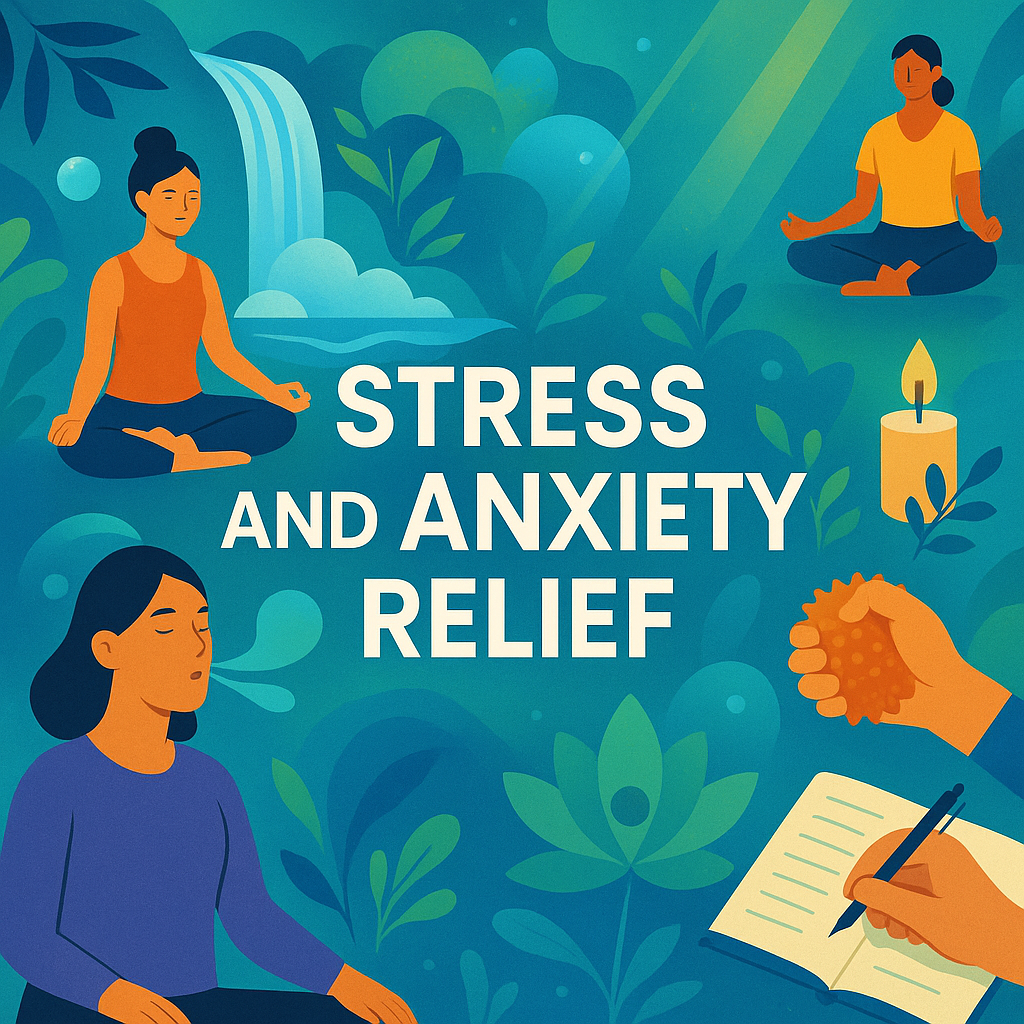
This course, “Mastering the Mind: A Step-by-Step Guide to Stress and Anxiety Relief,” is designed for individuals who wish to deepen their understanding of stress and anxiety management. By engaging with this course, learners will explore various techniques for alleviating stress and anxiety, enhancing their overall well-being. The course is tailored for those with foundational knowledge, providing a blend of research-backed strategies and practical applications. Throughout the modules, students will discover how to identify stressors, implement coping mechanisms, and cultivate resilience in their daily lives. Mastery of these skills is essential not only for personal growth but also for fostering healthier relationships and improving workplace productivity.
Learning Objectives
Identify and analyze personal stress triggers and their effects on mental health. Apply evidence-based techniques for managing anxiety and stress in daily situations. Develop personalized coping strategies and resilience-building practices to enhance your overall well-being. Evaluate the effectiveness of various stress relief methods through self-reflection. Create a sustainable self-care plan that supports long-term mental wellness.
Prerequisites
Students are expected to have a basic understanding of stress and anxiety concepts. Familiarity with mindfulness or relaxation techniques will be beneficial but is not mandatory. A willingness to engage in self-reflection and a commitment to personal growth are essential for success in this course.
Course Structure
Chapter 1: Understanding Stress and Anxiety
This chapter introduces the fundamental concepts of stress and anxiety. Students will explore the physiological and psychological effects of these states, setting the stage for deeper investigation throughout the course. Learners will gain insight into how stress can impact daily life and the importance of addressing it head-on.
Chapter 2: Identifying Stress Triggers
In this chapter, students will learn to identify their personal stress triggers. Through self-assessment exercises, learners will analyze their reactions to different stressors, creating a foundation for effective management strategies.
Chapter 3: The Science of Stress Relief
This chapter explores the research behind various stress-relief techniques. Students will examine how different methods, such as mindfulness and exercise, affect the brain and body,
enabling them to make informed choices about their coping strategies
Chapter 4: Mindfulness and Meditation
Focused on mindfulness practices, this chapter guides students through meditation techniques that can reduce stress and enhance focus. Learners will engage in guided exercises and reflect on their experiences.
Chapter 5: Breathing Techniques for Calm
Students will discover various breathing techniques designed to calm the mind and body. This chapter emphasizes the role of breath in stress management, providing practical exercises for immediate application.
Chapter 6: Physical Activity as a Stress Reliever
This chapter explores how physical activity can alleviate stress. Students will learn about different forms of exercise and their unique benefits, encouraging them to incorporate movement into their routines.
Chapter 7: Cognitive Behavioral Techniques
Students will learn about cognitive behavioral strategies that help reframe negative thought patterns contributing to stress and anxiety. This chapter provides tools for self-assessment and practical application.
Chapter 8: Building Resilience
This chapter focuses on resilience as a key factor in managing stress. Students will explore techniques for developing a resilient mindset, including positive self-talk and reframing challenges.
Chapter 9: Nutrition and Mental Health
Here, students will gain an understanding of the connection between nutrition and mental well-being. This chapter provides practical dietary tips to support stress management and overall well-being.
Chapter 10: The Role of Sleep in Stress Management
This chapter explores the crucial connection between sleep and stress. Students will assess their sleep habits and learn strategies to improve sleep quality as part of a stress relief approach.
Chapter 11: Social Support Systems.
Focusing on the importance of social connections, this chapter encourages students to evaluate their support systems. Learners will explore ways to strengthen these networks for better emotional resilience.
Chapter 12: Creating a Personal Stress Management Plan
In this chapter, students will develop a personalized stress management plan that incorporates techniques learned throughout the course. This hands-on activity promotes accountability and practical application.
Chapter 13: Evaluating Stress Relief Techniques
Students will reflect on the effectiveness of the strategies they have implemented. This chapter emphasizes the importance of continually evaluating and adapting stress management practices.
Chapter 14: Long-term Strategies for Stress Management
This chapter prepares students for maintaining their progress. Learners will explore long-term strategies that support ongoing mental wellness, emphasizing consistency and commitment.
Chapter 15: Conclusion and Next Steps
In this final chapter, students will review key concepts and celebrate their progress. They will be encouraged to pursue further learning and apply their newfound skills in real-world situations, fostering a lifelong commitment to mental well-being.
Learning Delivery Methods
This course utilizes a variety of self-paced online learning methods, including engaging video lessons, interactive exercises, and downloadable resources. Each module features practice activities that allow learners to apply concepts immediately, fostering an active learning environment. Self-assessment tools and reflection prompts are integrated to encourage personal insight and a deeper understanding of the material.
Assessment & Practice
Students will demonstrate their learning through a combination of automated quizzes, self-check exercises, and downloadable worksheets. Practical assignments encourage the application of techniques in real-life scenarios, while reflection prompts guide learners to track their progress and adapt their strategies as needed. This comprehensive assessment approach ensures that students can assess their understanding and growth throughout the course.
Expected Outcomes
By the end, learners will be able to identify their stress triggers, apply effective stress management techniques, create and implement a personalized stress relief plan, and evaluate their mental health strategies. This course empowers students to take control of their mental well-being, promoting a proactive approach to managing stress and anxiety.


Reviews
There are no reviews yet.