
Frequently Bought Together
Description
Book Overview
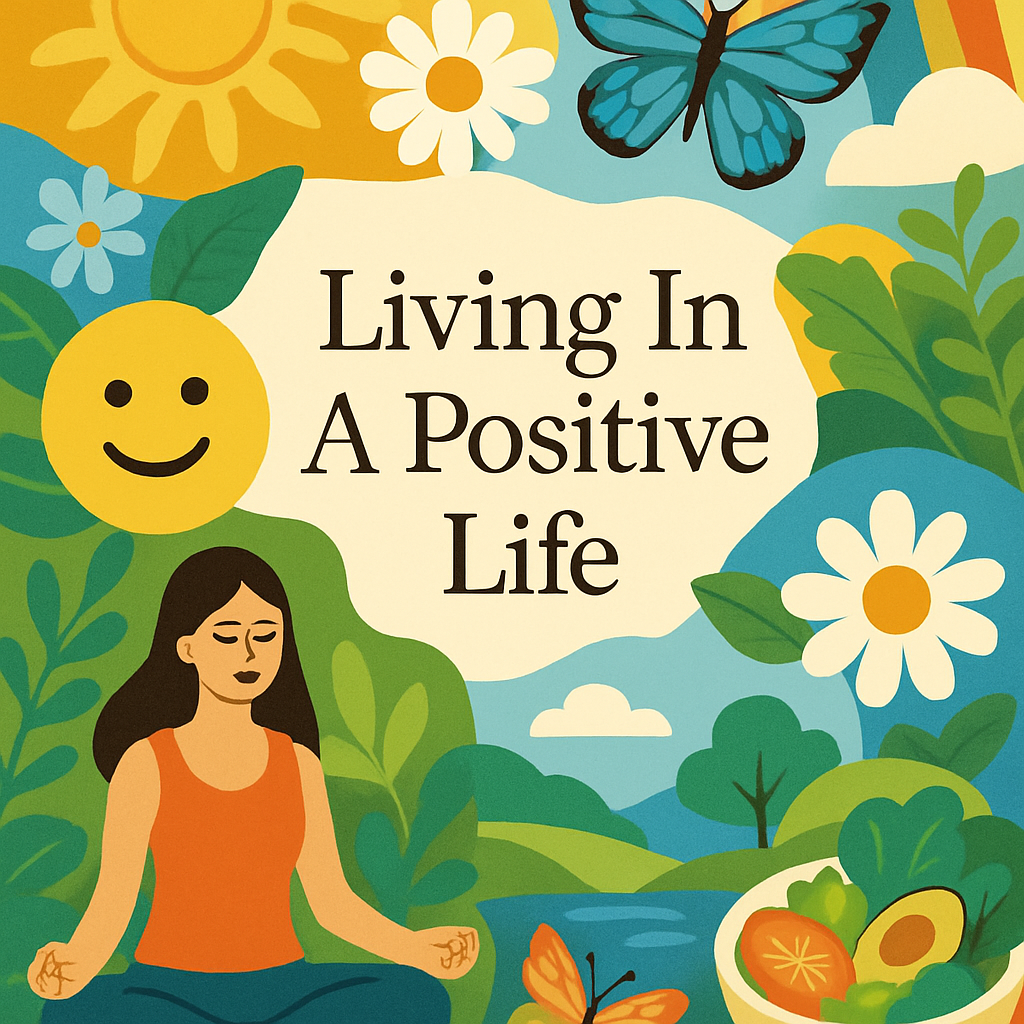
“Good Vibes, Good Life: A Beginner’s Guide to Positive Living” is an engaging and enlightening resource designed for individuals new to the realm of positive living. This book emphasizes the significance of cultivating a positive mindset and lifestyle, illustrating how our thoughts and attitudes can shape our realities. As beginners embark on this journey, the book introduces them to fundamental ideas about positivity, emotional well-being, and personal growth. By providing relatable examples and practical tips, this guide aims to empower readers to embrace positivity in their daily lives, fostering a fulfilling and joyful existence.
Core Concepts
Positive Mindset: Understanding the power of thoughts and beliefs in shaping our experiences.
Gratitude Practice: Exploring the benefits of recognizing and appreciating the good in life. Emotional Resilience: Building the ability to bounce back from setbacks and challenges. Mindfulness: Learning to be present and fully engaged in the moment for better emotional health. Self-Care: Recognizing the importance of taking care of oneself physically and mentally to promote overall well-being.
Book Structure
1. Chapter 1: The Power of Positivity
This introductory chapter welcomes readers to the world of positive living. It highlights the significance of maintaining a positive mindset and its impact on every aspect of life, from personal relationships to career fulfillment. Key terminologies such as ‘positivity’, ‘mindset’, and ‘well-being’ are defined, creating a solid foundation for the journey ahead. Historical perspectives on positivity and psychological theories, such as the Law of Attraction and Cognitive Behavioral Therapy, are briefly introduced to provide context and depth.
2. Chapter 2: Cultivating Gratitude
This chapter delves into the transformative practice of gratitude. Readers learn about the psychological and emotional benefits of recognizing the positives in life, supported by research studies that highlight the role of gratitude in enhancing mental health. Practical exercises, such as keeping a gratitude journal or daily reflections, are provided to help readers incorporate gratitude into their lives. Relatable stories illustrate how a simple shift in perspective can lead to profound changes.
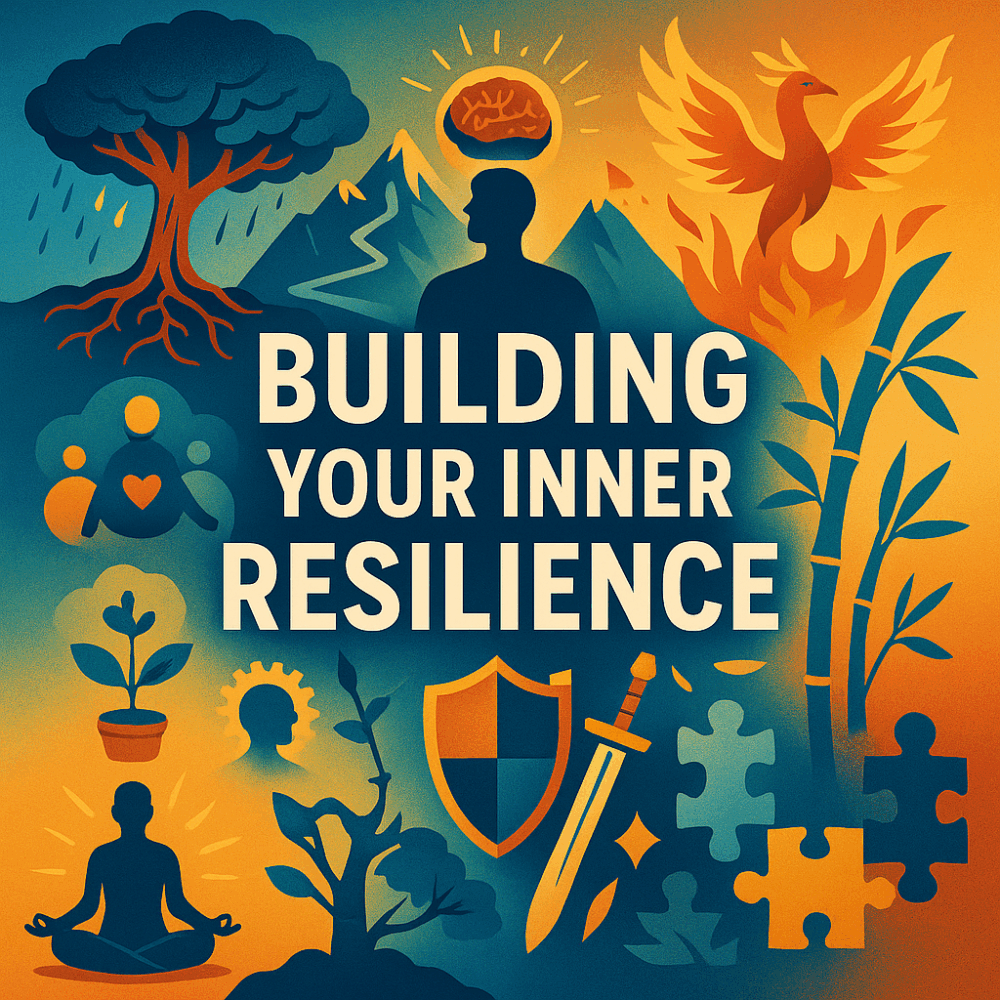
3. Chapter 3: Building Emotional Resilience
Focusing on emotional resilience, this chapter teaches readers how to navigate life’s challenges with a positive outlook. It discusses the importance of adaptability and offers strategies to
develop resilience, such as reframing negative experiences and practicing self-compassion. Examples of individuals who have overcome adversity serve as inspiration. Practical exercises encourage readers to reflect on personal challenges and identify growth opportunities, reinforcing the idea that setbacks can lead to personal strength.
4. Chapter 4: Mindfulness and Self-Care
This chapter introduces mindfulness as a tool for promoting a positive lifestyle. Readers learn about mindfulness techniques, such as meditation and breathing exercises, that promote presence and awareness. The chapter emphasizes self-care practices—including physical, emotional, and mental self-care—and their critical role in maintaining a positive mindset. Engaging activities guide readers in creating personalized self-care routines tailored to their lifestyles, promoting a holistic approach to well-being.
5. Chapter 5: Embracing Positive Living
The conclusion synthesizes the major concepts explored throughout the book, reinforcing the interconnectedness of positivity, gratitude, resilience, and self-care. It encourages readers to take actionable steps towards a positive lifestyle and reflects on the journey of self-discovery they have embarked upon. The chapter discusses the implications of positive living in a broader context, touching on current research in psychology and well-being, and inspires readers to continue exploring positivity beyond the book.
Learning Approach
This book presents information through relatable case studies, practical examples, and theoretical frameworks that are easy to grasp for beginners. Each chapter incorporates reflective questions and actionable exercises designed for self-directed learners. Readers are encouraged to think critically about their experiences and apply the concepts in real-life situations. The book’s approach fosters an interactive learning experience, making complex ideas accessible and applicable.
Key Takeaways
By the end of this book, readers will gain a comprehensive understanding of how a positive mindset can impact their lives. They will learn practical strategies for cultivating gratitude, building resilience, and practicing mindfulness and self-care. These skills will empower readers to apply positive living principles in various contexts, enhancing their emotional well-being and quality of life.
Target Application
Readers can apply the knowledge gained from this book in academic, professional, and personal contexts. In educational settings, the principles of positive living can enhance focus and motivation. In the workplace, fostering a positive environment can improve collaboration and productivity. On a personal level, individuals can use the strategies learned to cultivate fulfilling relationships and maintain a balanced, healthy lifestyle. The skills acquired empower readers to navigate challenges with a positive outlook, enriching their everyday experiences.





Reviews
There are no reviews yet.