
Frequently Bought Together
Description
Course Overview
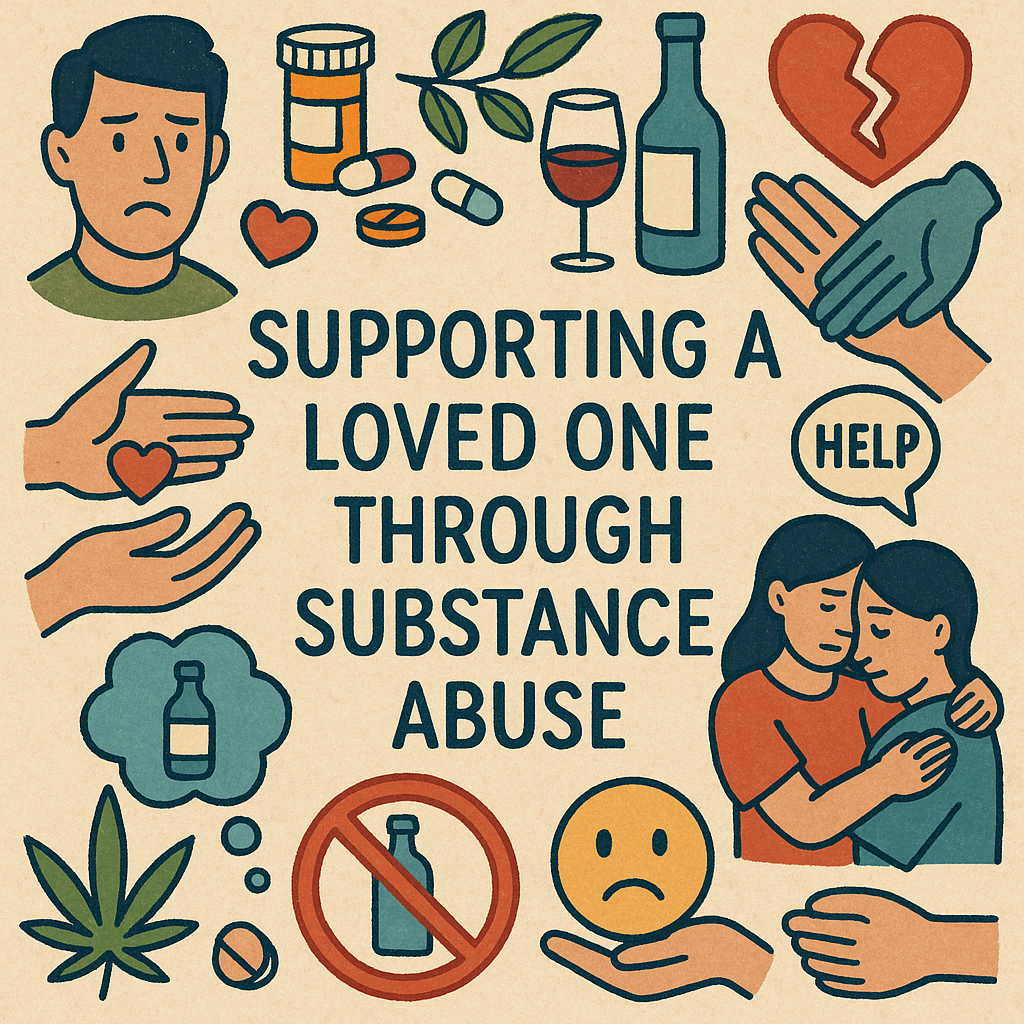
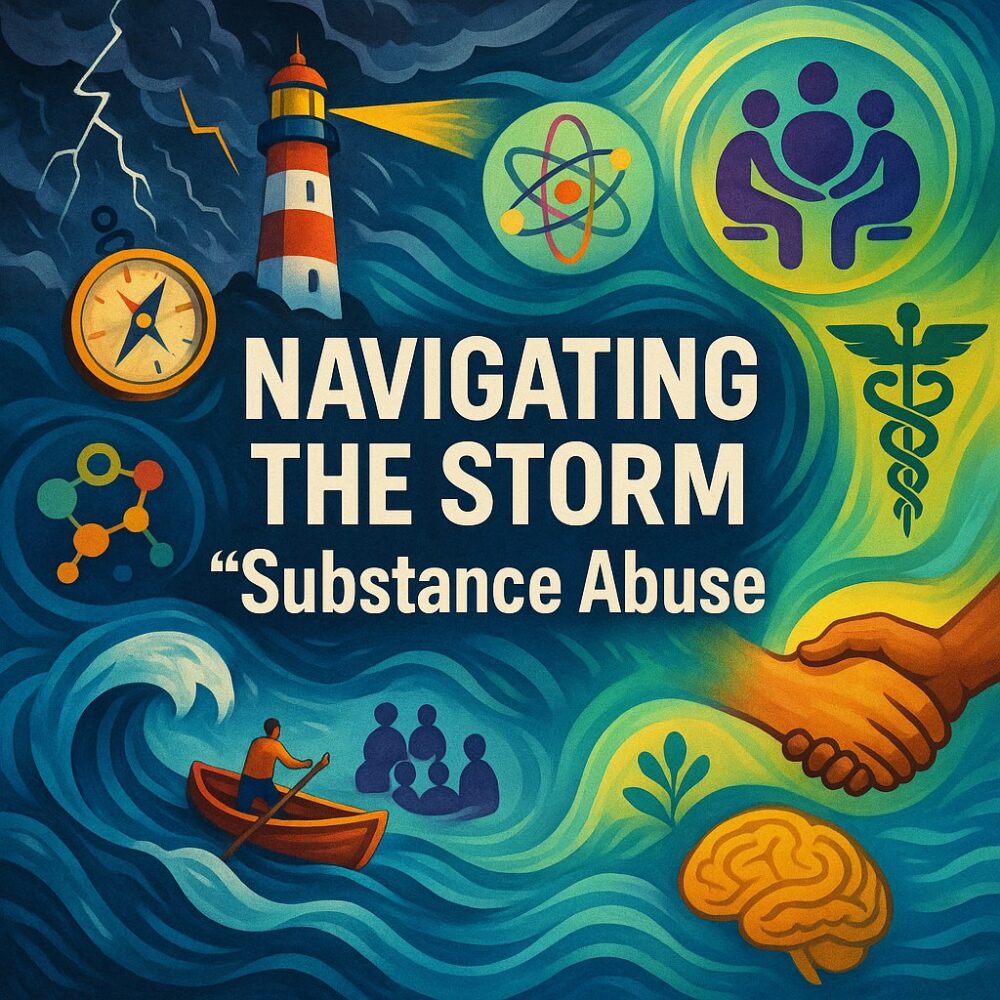
This course, “Building Bridges: Effective Strategies for Supporting Someone with Substance Abuse,” equips learners with essential skills and knowledge to effectively support individuals grappling with substance abuse issues. By addressing the complexities of addiction, this course aims to empower learners to foster understanding, empathy, and practical strategies that can make a significant difference in the lives of those they care about. Through engaging content, relatable examples, and actionable techniques, participants will develop the ability to create supportive environments that promote recovery and resilience.
Learning Objectives
- Identify the signs and symptoms of substance abuse and addiction.
- Develop effective communication strategies for engaging with individuals facing substance abuse challenges.
- Apply evidence-based techniques to support and encourage individuals in their recovery journey.
- Create a personalized support plan for someone dealing with substance abuse.
- Evaluate the impact of substance abuse on families and communities.
Prerequisites
There are no formal prerequisites for this course. However, a general understanding of mental health concepts and a willingness to learn about addiction and recovery will enhance the learning experience.
Course Structure
- Chapter 1: Understanding Substance Abuse This chapter introduces the foundational concepts of substance abuse, including definitions, statistics, and the societal impact of addiction. Learners will explore the various substances commonly abused and the underlying factors contributing to addiction.
- Chapter 2: The Science of Addiction In this chapter, participants will learn about the biological and psychological aspects of addiction. The focus will be on understanding how substances affect the brain and behavior, providing insight into the challenges faced by individuals in recovery.
- Chapter 3: Identifying Signs and Symptoms This chapter covers the key indicators of substance abuse and addiction. Learners will gain skills to recognize behavioral and physical signs, enabling them to respond appropriately and compassionately to those in need.
- Chapter 4: Communication Strategies Effective communication is crucial when supporting someone with substance abuse challenges. This chapter explores active listening techniques, empathetic responses, and how to create a safe space for open dialogue.
- Chapter 5: Building a Supportive Environment Participants will learn to cultivate an environment conducive to recovery. This chapter discusses the importance of setting boundaries, encouraging healthy habits, and fostering positive relationships.
- Chapter 6: Evidence-Based Support Techniques This chapter introduces various evidence-based techniques for supporting individuals in recovery, including motivational interviewing and cognitive-behavioral strategies. Learners will understand how to apply these techniques in real-life situations.
- Chapter 7: Creating a Personalized Support Plan In this chapter, learners will develop personalized support plans tailored to the needs of individuals facing substance abuse. The focus will be on collaborative goal-setting and identifying resources for ongoing support.
- Chapter 8: The Role of Family and Community This chapter examines the significant role that family dynamics and community resources play in recovery. Learners will explore ways to involve families and communities in support efforts, enhancing the recovery ecosystem.
- Chapter 9: Coping with Relapse Relapse is often a part of the recovery journey. This chapter provides strategies for coping with relapse and reinforcing support, helping learners understand how to respond effectively and compassionately.
- Chapter 10: Self-Care for Supporters Supporting someone with substance abuse can be challenging. This chapter emphasizes the importance of self-care for supporters, offering techniques for managing stress and maintaining personal well-being.
- Chapter 11: Resources and Continuing Education In this chapter, learners will explore various resources available for individuals dealing with substance abuse and their supporters. It will also outline opportunities for further education and training in this vital field.
- Chapter 12: Conclusion and Next Steps This final chapter provides a comprehensive review of the course content, highlighting key takeaways and encouraging learners to apply their knowledge. Participants will receive guidance on next steps for further learning and engagement in support efforts.
Learning Delivery Methods
Content will be delivered through a combination of engaging video lessons, interactive exercises, and practical activities designed to deepen understanding. Learners will have access to downloadable resources, including worksheets and guides, to support their self-paced study. Self-reflection activities will encourage learners to apply concepts to their personal experiences, enhancing retention and relevance.
Assessment & Practice
Participants will demonstrate their learning through automated quizzes and self-check exercises to reinforce understanding after each chapter. Downloadable worksheets will provide practical assignments that allow learners to apply strategies in real-world contexts. Reflection prompts will encourage critical thinking and personal growth, while progress tracking tools will help learners monitor their development throughout the course.
Expected Outcomes
By the end, learners can identify the signs of substance abuse, communicate effectively with individuals in recovery, apply evidence-based support techniques, create personalized support plans, and engage families and communities in the recovery process. Participants will feel empowered to make a positive impact in the lives of those they support.



Reviews
There are no reviews yet.