
Frequently Bought Together
Description
Course Overview
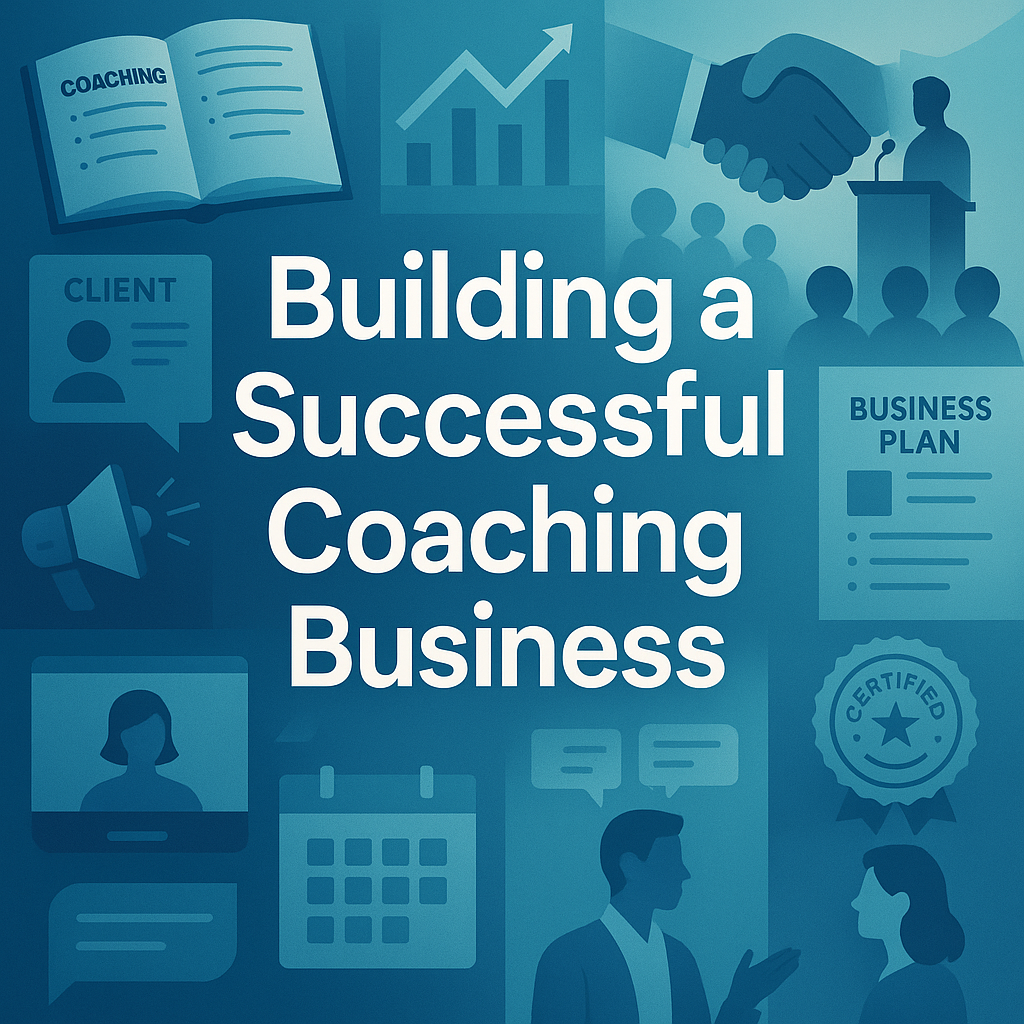
This course, “Building a Successful Coaching Business: Essential Skills and Strategies for Growth,” is designed for aspiring and established coaches who wish to elevate their coaching practice. Participants will explore key concepts and practical strategies to build and sustain a coaching business effectively. This course emphasizes the importance of understanding client needs, effective communication, and strategic marketing. By mastering these essential skills, learners will be equipped to attract and retain clients, effectively manage their business operations, and foster continuous growth. Throughout the course, learners will engage with relatable examples and real-world scenarios to ensure a comprehensive understanding of how to thrive in the coaching industry.
Learning Objectives
Identify and articulate the fundamental principles of coaching and client engagement. Develop a strategic marketing plan tailored to attract ideal clients and grow the coaching practice. Apply effective communication techniques to enhance client relationships and coaching outcomes. Implement business management practices that promote sustainability and growth. Create a personalized action plan for ongoing professional development in coaching.
Prerequisites
Participants should possess foundational knowledge of coaching principles and practices. It is recommended that learners have completed an introductory coaching course or have equivalent experience in a coaching setting. Familiarity with basic business concepts will also be beneficial for understanding the course material.
Course Structure
1. Chapter 1: Introduction to Coaching
This chapter welcomes learners into the world of coaching. It provides an overview of the coaching profession, including its history, various coaching models, and the role of a coach. Students will learn about the expectations for this course and gain insight into the topics they will cover in the upcoming modules.
2. Chapter 2: Understanding Client Needs
In this chapter, learners will explore the importance of identifying and understanding client needs. They will engage with tools and techniques for conducting practical assessments and interviews, ensuring that they can tailor their approach to each client.
3. Chapter 3: The Coaching Process
This chapter explores the coaching process, encompassing goal setting, action planning, and evaluation. Learners will gain insights into structuring coaching sessions to maximize client outcomes and satisfaction.
4. Chapter 4: Communication Skills for Coaches
Effective communication is crucial for coaching success. This chapter covers active listening, powerful questioning, and feedback techniques that enhance the coaching relationship and foster client engagement.
5. Chapter 5: Creating a Coaching Framework
Participants will learn how to develop a personalized coaching framework that reflects their unique style and philosophy. This chapter provides templates and examples to help you craft a structured approach to coaching.
6. Chapter 6: Marketing Your Coaching Business
In this chapter, learners will explore effective marketing strategies tailored to the coaching industry. Topics include branding, online presence, and networking, providing a solid foundation for attracting clients.
7. Chapter 7: Building Your Online Presence
This chapter focuses on leveraging digital platforms to promote the coaching business. Learners will explore social media strategies, content marketing, and website optimization to enhance visibility and reach potential clients.
8. Chapter 8: Networking and Collaboration
Networking is essential for growth. This chapter emphasizes the importance of building professional relationships and collaborations with other coaches and professionals. Learners will develop strategies for effective networking.
9. Chapter 9: Client Retention Strategies
This chapter discusses techniques for maintaining long-term client relationships. Students will learn about follow-up practices, feedback solicitation, and creating loyalty programs that enhance client retention.
10. Chapter 10: Financial Management for Coaches
Financial literacy is key to a successful coaching business. This chapter covers budgeting, pricing strategies, and financial planning, ensuring learners can manage their business finances effectively.
11. Chapter 11: Ethics and Professional Standards
Understanding ethical considerations is vital. This chapter examines the ethical responsibilities of coaches, confidentiality, and the professional standards that govern coaching practices.
12. Chapter 12: Using Technology in Coaching
This chapter introduces various technologies that can enhance coaching effectiveness, from scheduling tools to virtual coaching platforms. Learners will evaluate how to integrate technology into their practice.
13. Chapter 13: Assessing Coaching Effectiveness
Evaluation methods are crucial for improvement. Participants will learn how to assess the effectiveness of their coaching through client feedback, self-reflection, and outcome measurements.
14. Chapter 14: Building a Support System
This chapter discusses the importance of having a support system in place, including mentors, peer coaches, and professional organizations. Learners will identify resources to aid their development.
15. Chapter 15: Overcoming Challenges in Coaching
Every coaching journey has challenges. This chapter offers strategies for addressing common obstacles, such as client disengagement and personal burnout, equipping learners with the resilience tools they need.
16. Chapter 16: Scaling Your Coaching Business
Participants will explore strategies for scaling their coaching practices, including group coaching and workshops, to enhance their effectiveness. This chapter emphasizes sustainable growth and expanding client reach.
17. Chapter 17: Personal Development for Coaches
Personal growth is essential for effective coaching.. This chapter encourages learners to engage in their own self-development, exploring areas such as emotional intelligence and ongoing education.
18. Chapter 18: Creating a Vision for Your Coaching
Practice In this chapter, learners will develop a comprehensive vision statement for their coaching business. This vision will guide their decision-making and strategic planning for the future.
19. Chapter 19: Preparing for the Future of Coaching
This chapter looks ahead to emerging trends in coaching. Participants will learn how to adapt to industry changes and position themselves for future success.
20. Chapter 20: Conclusion and Next Steps
This concluding chapter provides a comprehensive review of the course content, highlighting the key takeaways. Learners will be encouraged to outline their next steps for continued learning and professional development, celebrating their journey and progress.
Learning Delivery Methods
This course utilizes a variety of engaging self-paced online delivery methods. Learners will benefit from video lessons that introduce key concepts, interactive exercises that allow for practice and application, and
downloadable resources that facilitate more profound understanding. Additionally, self-reflection activities will prompt learners to think critically about their coaching strategies and experiences, ensuring a holistic learning experience.
Assessment & Practice
Students will be able to demonstrate their learning through a variety of assessment methods. Automated quizzes will provide immediate feedback on key concepts, while self-check exercises will allow for ongoing reflection on their understanding. Downloadable worksheets will facilitate the practical application of skills learned, and reflection prompts will encourage learners to consider their growth and areas for improvement throughout the course.
Expected Outcomes
By the end of this course, learners will be able to effectively identify and address client needs, design and implement strategic marketing plans, communicate effectively with clients, manage their coaching business sustainably, and create a personalized action plan for their future professional development. They will emerge as confident coaching professionals ready to make a significant impact in their field.







Reviews
There are no reviews yet.