
Frequently Bought Together
Description
Book Overview
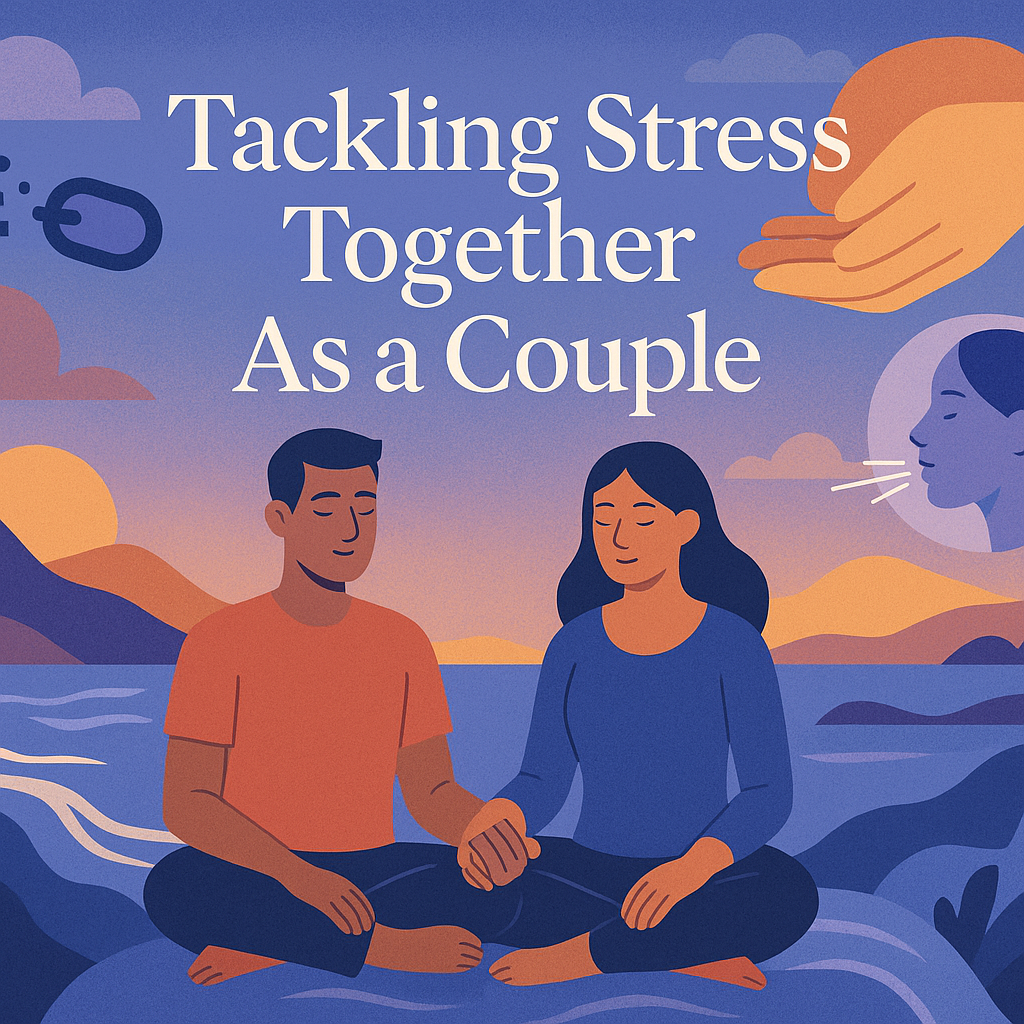
“Tackling Stress Together: A Couple’s Guide to Managing External Pressures” is a vital resource for couples navigating the numerous stresses of modern life. Whether it’s work-related pressures, family responsibilities, or societal expectations, this book acknowledges that external stressors can strain relationships. It provides a comprehensive understanding of stress management from a couple’s perspective, emphasizing the importance of collaboration and effective communication. This guide empowers couples to navigate their challenges together, fostering resilience and a deeper connection. By blending research-backed insights with relatable anecdotes, the book serves as both a practical guide and a source of encouragement for couples eager to thrive in the face of external pressures.
Core Concepts
Stress Dynamics: Understanding how external pressures affect individuals and couples differently.
Communication Strategies: Techniques to enhance dialogue about stress and its impacts.
Resilience Building: Methods for strengthening emotional and relational resilience in the face of challenges. Conflict Resolution: Approaches to navigating disputes that arise from stress-related tensions.
Support Systems: Identifying and leveraging external support networks for couples.
Book Structure
1. Chapter 1: Understanding Stress in Relationships
This introductory chapter welcomes readers to the multifaceted world of stress and its relationship to relationships. It outlines the reasons why understanding stress is crucial for couples, establishing key terminology such as “stressors,” “coping mechanisms,” and “resilience.” Historical insights into stress theories highlight how external pressures have evolved and their implications on modern relationships. This foundational knowledge lays the groundwork for a deeper exploration in subsequent chapters.
2. Chapter 2: Identifying External Stressors
This chapter delves into the various external factors that contribute to stress. From work-related challenges to social expectations, readers will learn to identify the specific stressors that affect their relationships. Through relatable examples and case studies, couples will gain insights into how these stressors manifest in their lives, helping them recognize patterns that might be impacting their connection.
3. Chapter 3: Communication as a Tool
Effective communication is pivotal in managing stress. This chapter offers couples practical communication strategies for discussing stress openly and constructively. Readers will
discover techniques for active listening, expressing emotions without blame, and fostering an environment of support. Real-life scenarios illustrate the positive outcomes of improved communication, reinforcing the importance of dialogue.
4. Chapter 4: Building Resilience Together
Fostering resilience is essential for couples to thrive under pressure. This chapter explores strategies for cultivating emotional and relational resilience, including mindfulness practices and collaborative goal-setting. Couples will be encouraged to reflect on their strengths and weaknesses, using activities designed to build a supportive partnership. Evidence-based techniques will demonstrate how resilience can be cultivated collaboratively.
5. Chapter 5: Navigating Conflict
Stress often leads to conflict, making it crucial for couples to have a strategy in place. This chapter presents conflict resolution techniques tailored for stressed relationships. Through examples and role-playing exercises, readers will learn to approach disagreements constructively. Key concepts, such as “the Four Horsemen” of conflict and effective de-escalation strategies, will be explored, equipping couples with the tools to manage disputes productively.
6. Chapter 6: The Role of Support Systems
Support systems play a vital role in stress management for couples. This chapter emphasizes the importance of external networks, including family, friends, and professional support. Readers will identify their own support systems and learn how to engage them effectively. Case studies demonstrate how couples have effectively utilized these external resources to alleviate stress and enhance their relationship.
7. Chapter 7: Creating a Stress Management Plan
In this chapter, couples will learn to develop a personalized stress management plan. This step-by-step guide includes identifying stress triggers, establishing coping mechanisms, and setting realistic goals. Practical templates and examples will help readers tailor their plans to their unique situations, fostering a proactive approach to managing stress together.
8. Chapter 8: Moving Forward Together
The concluding chapter synthesizes the insights and strategies discussed throughout the book. It reflects on the journey couples have undertaken in understanding and managing stress together. Emphasizing the importance of continual growth and adaptation, this chapter encourages readers to apply their newfound skills in everyday life. It also highlights current research and potential future developments in stress management, urging couples to remain engaged in their personal and relational growth.
Learning Approach
The book employs a multifaceted learning approach, integrating case studies, relatable examples, and theoretical frameworks. Each chapter includes practical activities designed to engage couples actively with the material. Reflection questions prompt deeper consideration of their experiences, while assessments help gauge understanding. This combination ensures that readers not only learn but also apply concepts directly to their lives.
Key Takeaways
After reading “Tackling Stress Together,” readers will gain a deeper understanding of the dynamics of stress and its impact on relationships. They will acquire practical tools for effective communication, conflict resolution, and resilience building, enabling them to navigate external pressures collaboratively. Importantly, readers will develop a personalized approach to stress management, fostering a stronger partnership.
Target Application
The knowledge gained from this book can be applied across various contexts, including academic, professional, and personal settings. Couples can utilize these strategies to enhance their relationship, manage work-related stress, and support one another in their individual endeavors. By implementing the lessons learned, readers will be better equipped to face life’s challenges together, ultimately strengthening their bond.





Reviews
There are no reviews yet.