
Frequently Bought Together
Description
Book Overview
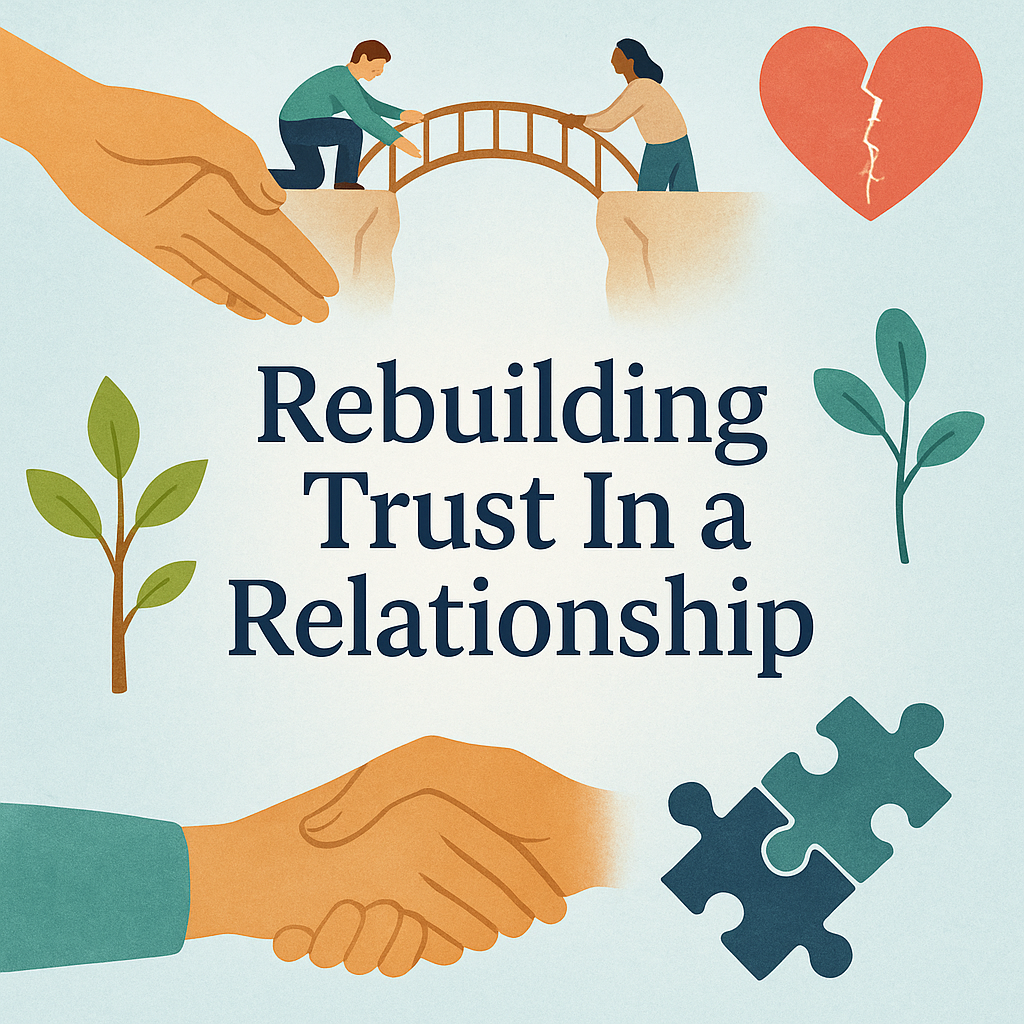
“Rebuilding Trust: A Conversational Guide To Rebuilding Your Relationship” is an essential resource for anyone seeking to mend and strengthen the bonds of trust within their relationships. Trust is a cornerstone of any healthy interaction, whether in personal or professional settings. This book addresses the complexities surrounding the rebuilding process, offering readers a comprehensive toolkit to navigate the emotional terrain involved in restoring trust. With relatable anecdotes and practical strategies, it empowers individuals to understand the nuances of trust, enabling them to foster deeper connections and healthier interactions. The conversational tone invites readers from diverse backgrounds to engage meaningfully with the content, ensuring accessibility and relatability throughout their journey of rebuilding trust.
Core Concepts
- Trust Dynamics: Understanding how trust operates within relationships, including its establishment, erosion, and restoration.
- Communication Styles: Exploring various communication methods that can either foster or hinder trust rebuilding efforts.
- Emotional Intelligence: The role of recognizing and managing emotions in oneself and others during the trust recovery process.
- Forgiveness and Accountability: The importance of these elements in rebuilding trust and how they can be effectively integrated into conversations.
- Conflict Resolution: Strategies for addressing underlying issues that may have contributed to the breakdown of trust.
Book Structure
- Chapter 1: Understanding Trust in RelationshipsThis introductory chapter welcomes readers to the critical study of trust in relationships. It highlights the importance of trust as a fundamental component of all human interactions. By exploring key terms such as trust, betrayal, and reconciliation, the chapter sets the stage for more in-depth discussions. Historical context is provided, illustrating how trust has been viewed through different cultural lenses. Theoretical frameworks are introduced, preparing readers for the complex interplay of emotions and actions that will be examined in subsequent chapters.
- Chapter 2: The Anatomy of TrustThis chapter explores the components that comprise trust, including reliability, vulnerability, and transparency. Through relatable examples, readers will learn how these elements interact and how their absence can lead to a loss of trust. Exercises encourage self-reflection on personal experiences with trust, prompting readers to analyze their relationships.
- Chapter 3: Communication BreakdownsFocusing on communication, this chapter highlights common pitfalls that can erode trust, such as assumptions, misinterpretations, and a lack of clarity. Readers are introduced to strategies for effective communication, including active listening and assertive expression. By analyzing case studies, learners will gain a deeper understanding of the profound impact of communication on trust dynamics.
- Chapter 4: Emotional Intelligence in Trust RebuildingThis chapter emphasizes the importance of emotional intelligence in navigating the trust rebuilding process. It covers skills such as empathy and self-regulation, illustrating how these can facilitate healthier interactions. Practical exercises encourage readers to develop their emotional awareness, enabling them to connect more effectively with others.
- Chapter 5: The Role of ForgivenessIn this chapter, the intricate relationship between forgiveness and trust is examined. Readers learn about the stages of forgiveness and how it can be a powerful tool for rebuilding trust. Through reflective questions and practice scenarios, individuals are prompted to consider their perspectives on forgiveness in their relationships.
- Chapter 6: Accountability and Trust RestorationThis chapter discusses the necessity of accountability in the process of rebuilding trust. It outlines how acknowledging mistakes and taking responsibility can pave the way for reconciliation. Readers will explore examples of accountability in action and engage in activities that highlight the importance of taking responsibility for one’s actions.
- Chapter 7: Navigating ConflictConflict is often a precursor to trust issues. This chapter provides tools for effective conflict resolution, including negotiation and compromise techniques. Through real-life scenarios, readers will practice applying these strategies and learn how to address underlying issues without escalating tensions.
- Chapter 8: Building a Trustworthy EnvironmentThis chapter focuses on creating an environment conducive to trust. It discusses the importance of consistency, openness, and support in fostering trust within relationships. Practical exercises guide readers in assessing and enhancing the trustworthiness of their environments.
- Chapter 9: Sustaining Trust Over TimeIn the penultimate chapter, readers explore strategies for maintaining trust once it has been rebuilt. Topics include ongoing communication, shared experiences, and check-ins. This chapter encourages readers to develop proactive habits that foster long-term trust.
- Chapter 10: Conclusion: The Journey of Rebuilding TrustThe final chapter synthesizes the major concepts discussed throughout the book, reinforcing the idea that rebuilding trust is a continuous and ongoing process. It acknowledges the emotional work involved and highlights the broader implications for personal growth and relationship health. Readers are encouraged to reflect on their learning and consider future directions for their relationships.
Learning Approach
The book presents information through a blend of theoretical insights and practical applications. Case studies and relatable examples illustrate key concepts, allowing readers to see themselves in the scenarios. Theoretical frameworks are simplified for clarity, while reflection questions and practice problems encourage self-assessment and deeper understanding. This approach fosters a comprehensive learning experience, empowering readers to apply their newfound knowledge in real-life situations.
Key Takeaways
Readers will gain a profound understanding of trust dynamics and the emotional intelligence required for rebuilding relationships. They will learn the importance of communication, accountability, and forgiveness in restoring trust. The skills acquired will enable them to navigate their relationships more effectively, fostering healthier interactions and deeper connections.
Target Application
The knowledge gained from this book can be applied across various contexts, including personal relationships, workplace dynamics, and community interactions. By understanding and practicing the principles of trust rebuilding, readers will be equipped to enhance their interpersonal skills, resolve conflicts more effectively, and create supportive environments that foster trust in any setting.









Reviews
There are no reviews yet.