
Frequently Bought Together
Description
Course Overview
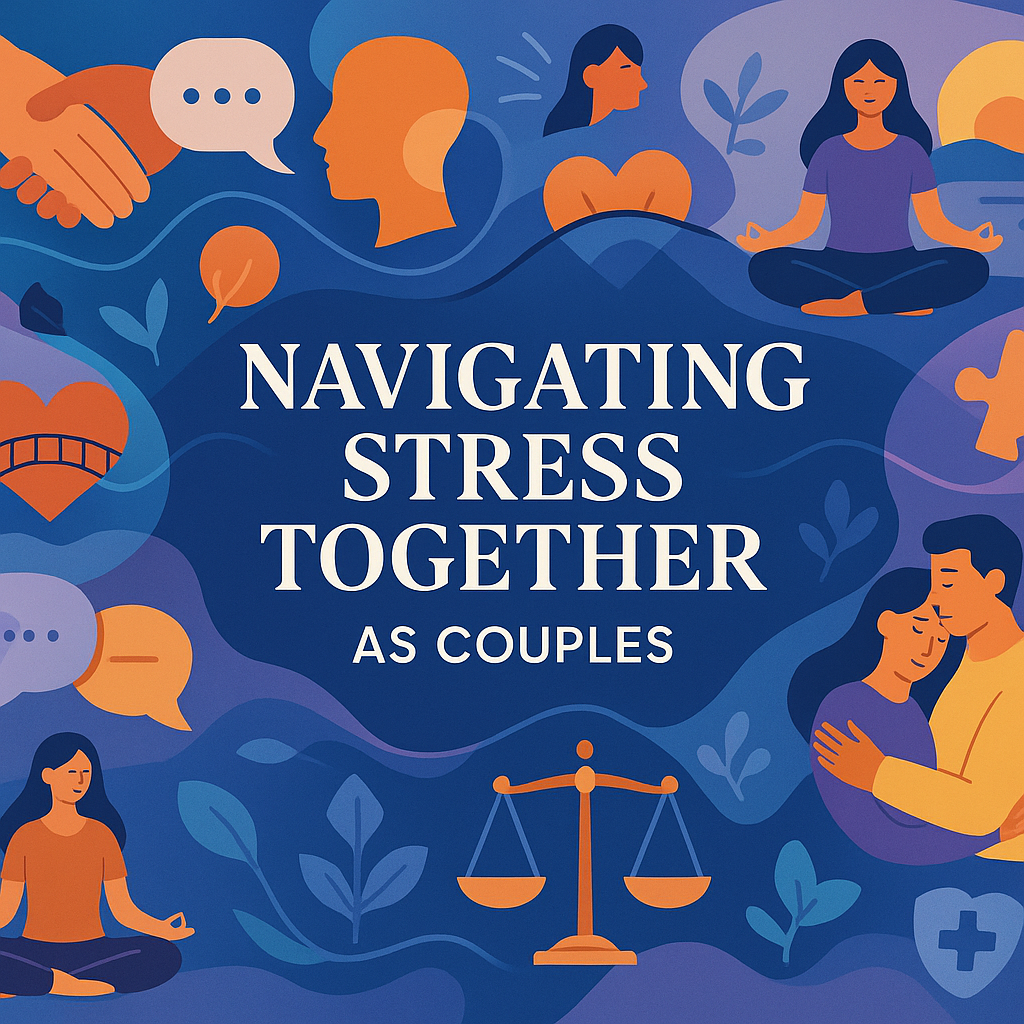
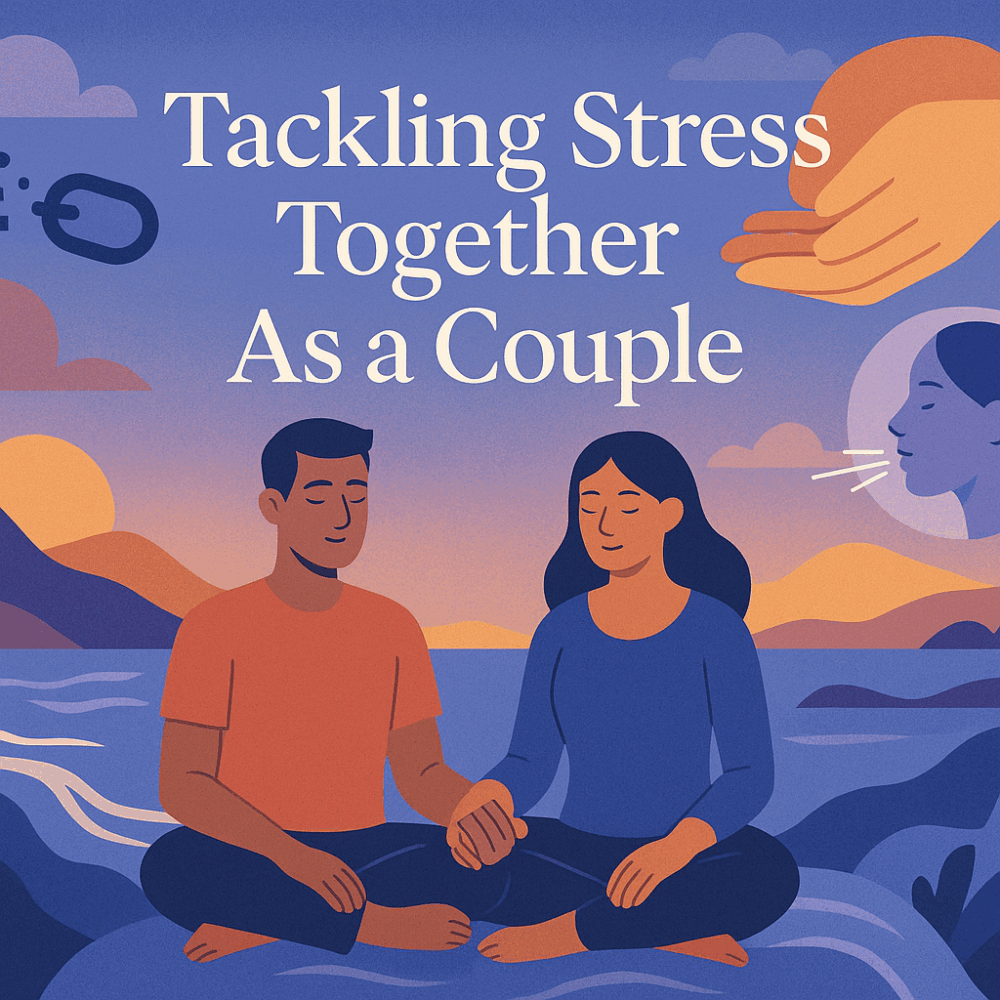
This course, “Navigating Stress Together: A Comprehensive Guide for Couples,” is designed to equip couples with essential skills and knowledge to manage stress within their relationships effectively. Recognizing that stress can impact both individual well-being and the overall health of a partnership, this course provides actionable insights and techniques to foster resilience and improve communication. Couples will learn how to identify stressors, understand their effects, and implement strategies collaboratively to navigate challenging times. By engaging with the content, learners will embark on a transformative journey that strengthens their bond and deepens their emotional connection.
Learning Objectives
Identify and articulate personal and shared stressors within the relationship. Apply effective communication techniques to discuss stress and its impact on the partnership. Demonstrate coping strategies as a couple to mitigate stress and enhance emotional support. Evaluate the effectiveness of stress management techniques through self-reflection and assessment. Design a personalized stress management plan that incorporates the needs of both partners.
Prerequisites
Participants should have a foundational understanding of fundamental relationship dynamics and communication principles. No prior experience with stress management techniques is required, but an openness to learning and applying new skills is essential for success in this course.
Course Structure
1. Chapter 1: Understanding Stress in Relationships
This chapter introduces the concept of stress and its various sources, particularly within the context of relationships. Learners will explore how stress manifests in couples and the importance of recognizing stress as a shared experience among them. This foundational knowledge sets the stage for more in-depth discussions in subsequent chapters.
2. Chapter 2: The Science of Stress
Delve into the physiological and psychological effects of stress on individuals and relationships. This chapter explores the stress response cycle, its impact on mental health, and how it influences relational dynamics. Understanding the science behind stress will empower couples to address their challenges more effectively.
3. Chapter 3: Communication as a Tool for Connection
Explore the role of communication in managing stress. This chapter teaches couples how to engage in open dialogues about stressors without blame or defensiveness. Learners will practice active listening and empathetic responding to foster a supportive communication environment.
4. Chapter 4: Identifying Personal and Shared Stressors
This chapter guides couples in pinpointing their unique and collective stressors. Through reflection exercises, participants will learn to articulate their experiences, fostering a deeper understanding of how stress affects their relationships.
5. Chapter 5: Coping Strategies for Individuals and Couples
Couples will learn various coping strategies to manage stress effectively. This chapter covers techniques such as mindfulness, relaxation exercises, and problem-solving skills that couples can practice together to enhance their resilience.
6. Chapter 6: Creating a Supportive Environment
Discover how to create a supportive home environment that fosters effective stress management. This chapter explores the importance of routines, shared time, and creating environments that foster relaxation and connection.
7. Chapter 7: Navigating Conflict in Stressful Times
Learn how to navigate conflicts that arise during stressful periods effectively. This chapter offers strategies for managing disagreements constructively and emphasizes the importance of collaborative problem-solving.
8. Chapter 8: Building Resilience Together
This chapter focuses on developing resilience as a couple. Participants will explore how shared experiences and support can enhance their ability to cope with future stressors, thereby bolstering their long-term relationship stability.
9. Chapter 9: The Role of Self-Care
Understand the importance of self-care for both partners. This chapter outlines self-care practices that can alleviate individual stress, ultimately benefiting the relationship as a whole. Couples will learn to support each other’s self-care journeys.
10. Chapter 10: Stress Management Plans
Couples will create personalized stress management plans that incorporate techniques learned throughout the course. This chapter emphasizes the importance of setting achievable goals and regularly revisiting these plans to adapt to changing circumstances.
11. Chapter 11: Evaluating Progress
This chapter provides tools for couples to assess the effectiveness of their stress management strategies. Participants will reflect on their experiences, identifying successes and areas for improvement.
12. Chapter 12: Seeking Professional Help
Learn when and how to seek professional support for managing stress in relationships. This chapter discusses the role of therapy, counseling, and other resources available to couples facing significant challenges.
13. Chapter 13: Celebrating Achievements
Recognizing and celebrating progress is crucial for maintaining motivation. This chapter encourages couples to acknowledge their achievements in stress management and strengthens their commitment to continuing the journey.
14. Chapter 14: Future-Proofing Your Relationship
Explore strategies for sustaining the skills learned in the course over time. This chapter focuses on continuous learning and growth as a couple, preparing them to face future challenges together.
15. Chapter 15: Conclusion and Next Steps
The final chapter offers a comprehensive review of the course content, highlighting real-world applications and encouraging couples to explore further learning opportunities. Participants will leave empowered to apply their skills and knowledge in everyday life.
Learning Delivery Methods
This course employs a variety of engaging, self-paced online learning methods. Learners will access video lessons that introduce key concepts, interactive exercises for practical application, and downloadable resources for deeper understanding. Each chapter includes practice activities designed to reinforce learning, self-assessment tools to track progress, and reflection prompts to encourage personal insight.
Assessment & Practice
To demonstrate their learning, participants will engage in automated quizzes at the end of each chapter to assess their understanding of key concepts. Additionally, self-check exercises and downloadable worksheets will be provided to facilitate practice. Reflection prompts will encourage learners to think more deeply about their experiences, and they will track their progress throughout the course, ensuring a comprehensive understanding of stress management techniques.
Expected Outcomes
By the end of this course, learners will be able to effectively identify and communicate about stressors, apply coping strategies collaboratively, and create a personalized stress management plan. They will have the skills to navigate stress in their relationship, ultimately enhancing their emotional connection and resilience as a couple.

Reviews
There are no reviews yet.