Stronger: The Complete Guide to Building Muscle and Resilience Vibe
Stronger: The Complete Guide to Building Muscle and Resilience Vibe Understanding the Biological Foundation of Growth When most people think about getting strong and resilient,

Awareness is the key first step in becoming safe. Some people are very aware that they are in an abusive situation. Others are less aware for a variety of reasons: abuse may be normalized, concealed, or minimized by the abuser, or scary to talk about or even to admit to oneself. Abuse can take many forms, including physical, emotional, verbal, financial, or digital abuse, and may increase or escalate slowly over time. It can be empowering for a victim to get clear on what abuse is and isn’t, to be able to name the experience, and to know that they are not alone or to blame. Awareness also paves the way for action, for breaking through denial or minimizing language, and for thinking through options and next steps.
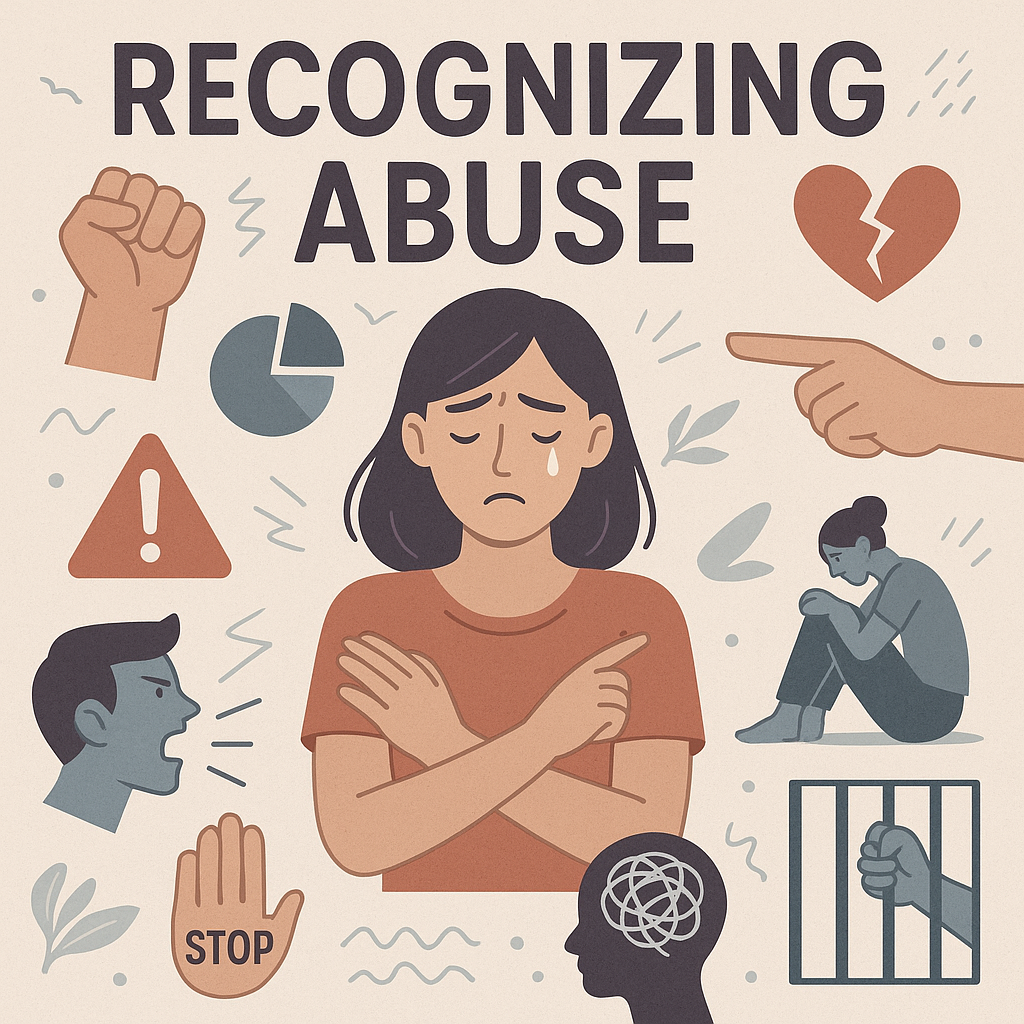
Safety planning is a process of working out the details of becoming safe. A safety plan is unique to the victim, and should be based on their circumstances, needs, and specific safety risks and concerns. It may include some or all of the following elements: a designated place to go if they need to leave the home in an emergency; gathering essential documents and belongings in a safe and easily accessible place in the house or car; identifying a safe place to stay; and/or planning for transportation, housing, childcare, and other logistical needs. It is essential to prepare for different scenarios and have contingency plans if the abuser becomes violent or if there is no way to leave the home. Safety planning in advance allows a victim to reduce uncertainty, to act quickly and decisively in the moment, and may be the difference between life and death.
Abusers may work to isolate their partners or family members, and as such, it is essential to let someone else know about the abuse. A victim may choose to confide in a friend, family member, or coworker they trust. This person can offer emotional support and, if necessary, practical support, such as serving as an emergency contact, providing a place to stay, or helping with logistics, such as getting to a safe place or finding transportation or housing. Trusted allies may also help a victim to rebuild their self-esteem and feel less alone.
Resources such as shelters, legal advocates, mental health professionals, and crisis hotlines are often available in local communities to support victims of abuse. These can be community organizations or individuals with specific expertise and training. These resources are confidential, meaning they will not disclose the victim’s identity or personal information without consent, unless required by law. They can also offer legal advice, such as the rights and options available in cases of domestic violence or sexual assault, as well as practical help, such as transportation, temporary housing, or childcare. Advocacy services may also be available to guide and support a victim through complex systems, such as law enforcement, the court system, and healthcare. Utilizing available resources empowers a victim by providing access to information, support, and specialized knowledge, making it easier and safer to leave an abusive situation.
Barriers such as fear of retaliation, financial insecurity, concern for children or pets, or cultural and social stigma can keep a victim in an abusive relationship. Identifying and addressing these barriers is a critical component of safety planning. In some cases, a victim may need to explore legal options such as restraining orders, financial assistance, or child custody support. In other cases, they may require validation and support in understanding their emotions and choices. The plan should be reviewed regularly and updated as necessary to ensure it remains relevant and practical. Addressing potential barriers to leaving an abusive situation is an integral part of safety planning.
Safety planning and building a support network are essential steps in leaving an abusive situation, but they do not mark the end of the process. Victims may require ongoing emotional and psychological support to heal and recover from the trauma of abuse. Support groups, therapy, and continued contact with friends, family, and community resources can provide a safe space for victims to process their experiences and learn new coping skills. Recovery from abuse is a process that can take time and may involve grieving the loss of the relationship, as well as discovering and rebuilding one’s identity and self-esteem. With the proper support, victims can work towards healing and recovery, setting new goals for the future and building resilience for life beyond abuse.
Moving from awareness to action is a transformative process that requires more than just recognizing abuse—it demands planning, building trusted relationships, and accessing supportive resources. By developing personalized safety plans, victims equip themselves with practical tools to navigate moments of crisis and uncertainty. Simultaneously, cultivating a reliable support network breaks the isolation that often traps individuals in abusive situations, fostering resilience and hope. The journey toward safety and healing is complex and deeply personal, but with preparation and connection, survivors can reclaim control over their lives. Ultimately, this process not only protects physical well-being but also nurtures emotional strength, enabling victims to move forward with confidence and the promise of a safer, healthier future.
Unlock your path to safety and empowerment with our comprehensive online course designed to help you recognize abuse, create personalized safety plans, and build strong support networks. This self-paced program delivers practical tools and expert guidance to help you take control of your life and move confidently toward a safer future.
Learn to identify all forms of relationship abuse and understand their impact on your well-being. Develop actionable strategies tailored to your unique situation, including how to safely exit abusive environments and access vital community and legal resources. Gain effective coping techniques to manage emotional challenges and rebuild your confidence.
No prior experience needed—just a commitment to your safety and growth. Interactive exercises and downloadable resources make learning easy and empowering. Track your progress with quizzes and reflection prompts designed to deepen your understanding and readiness.
Take the first step now. Click here to enroll today and transform awareness into action—because your safety and freedom can’t wait.
Latasha Fleming; support@createitdigital.com
Click here to visit our website for more ebooks, resell products, and courses.