
How Resell Ready Video Courses Make Money
Resell ready video courses give creators and marketers a faster way to launch, sell, and scale digital offers without building from scratch.
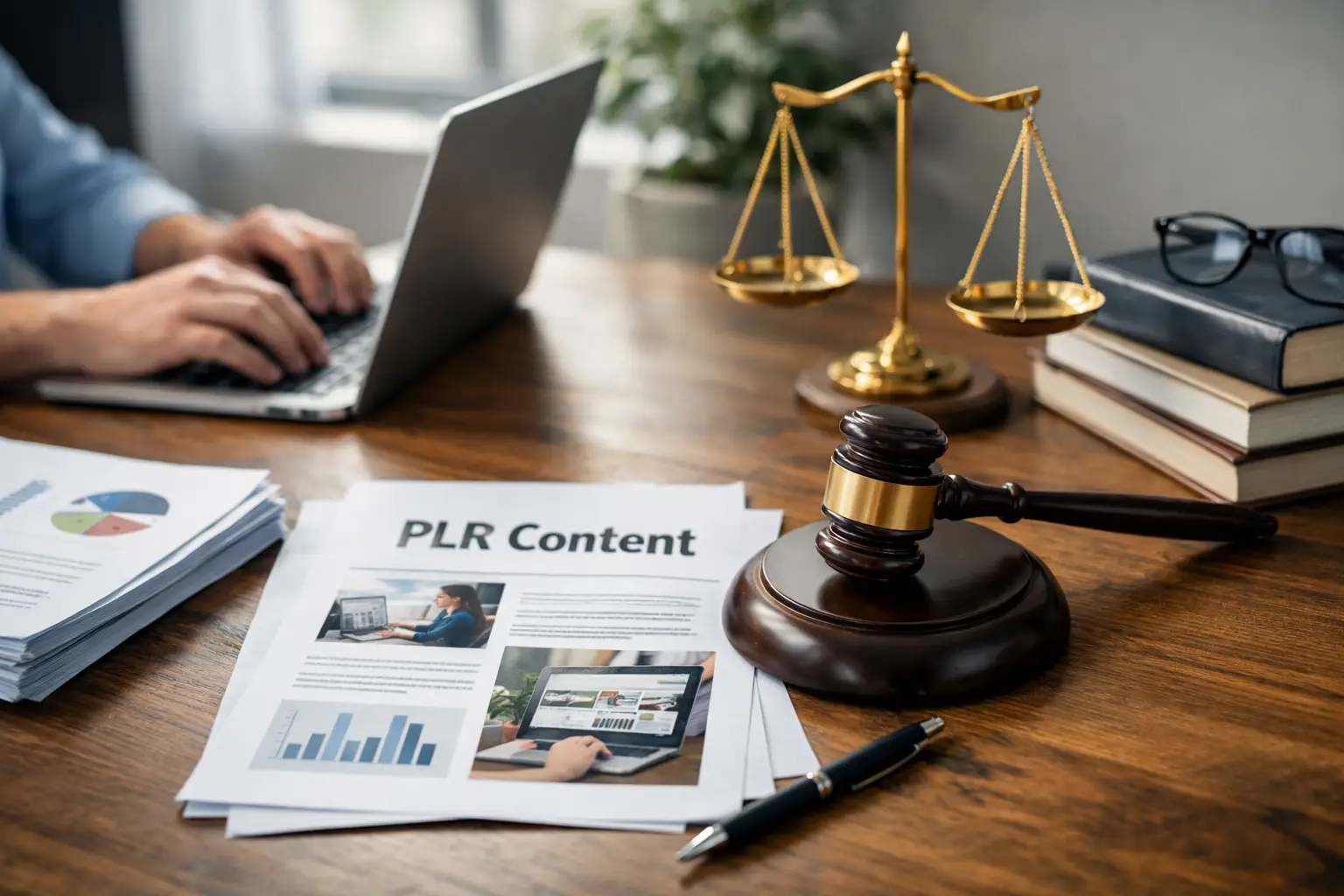
Buying a PLR bundle feels like a shortcut because it is. You get eBooks, articles, templates, courses, graphics, and other ready-made assets without spending weeks creating everything from scratch. But speed only helps your business if you know how to use PLR content legally. One bad assumption about a license can turn a smart purchase into a refund issue, a copyright complaint, or a product you cannot actually sell.
That is the part too many entrepreneurs skip. They see private label rights, assume they can do anything, and move fast. Smart sellers do the opposite. They move fast after they know exactly what rights they bought.
PLR is not one universal permission slip. Every seller can set different terms, and those terms control what you can edit, publish, bundle, claim, or resell. If you want to use PLR content legally, the first rule is simple: read the license for that specific product, not your memory of a different PLR purchase.
Some PLR products let you rebrand the content, sell it, give it away as a lead magnet, or break it into smaller pieces for marketing. Others may block resale, restrict use on certain platforms, or forbid passing the product along with rights attached. That difference matters.
A common mistake is assuming that if one PLR eBook came with resale rights, every digital file in the same marketplace does too. That is not always true. Some digital products are sold for end use only. For example, a marketplace may offer eBooks and courses for learning purposes without PLR resale rights, while other product categories do include resale rights. You have to verify the rights attached to the specific item in your cart.
In many cases, PLR gives you permission to modify the content and use it as part of your own business. That can include adding your logo, rewriting sections, changing the title, turning chapters into emails, or combining several assets into a larger product. For a side hustler, coach, freelancer, or agency owner, that is a huge advantage because it compresses production time.
But legal use depends on the actual scope of the rights. Some PLR licenses allow personal use and commercial use, while others limit giveaway rights, paid ads, membership sites, or resale on third-party marketplaces. Some licenses let you sell the end product but do not let your customer receive editable source files or private label rights of their own.
There is also a difference between PLR, MRR, and RR. PLR usually means you can edit and brand the product. Master resale rights often let you resell the product but not claim authorship or modify it much. Basic resale rights may let you sell it as-is without passing on the same rights. If you mix those up, you can accidentally market a product in a way your license does not permit.
The safest move is to treat PLR like raw material, not a finished business. That approach protects you legally and makes your offer stronger in the market.
Start by saving a copy of the original license, download page, order receipt, and any seller terms that came with the product. Keep them in one folder. If a platform ever questions your right to use the material, you want proof ready. This is basic business hygiene, especially if you plan to sell at scale.
Next, customize the content. Change the title, rewrite the intro, update examples, add your brand voice, improve formatting, and check every claim for accuracy. If the PLR is in a fast-moving niche like business, health, psychology, insurance, or fitness, outdated advice can create real problems. Legal use is not just about the license. It is also about not publishing misleading, false, or risky material under your brand.
Then review any regulated or sensitive topics more carefully. If your PLR touches mental health, substance abuse, insurance, medical topics, or financial decisions, you should not publish it blindly. Depending on how you position the material, you may need stronger disclaimers, edits for compliance, or expert review. PLR can save time, but it does not transfer liability away from you once you publish it under your own business.
Most PLR problems come from speed and assumptions, not bad intent. Sellers want to launch fast, so they skip the boring parts. That is where trouble starts.
The first mistake is reselling content that does not include resale rights. Just because a product is digital does not mean it is resellable. Read the usage terms before you list it in your shop, bundle it with another offer, or give it to clients.
The second mistake is using trademarks, brand names, images, or quotes inside the PLR without checking whether those elements are cleared for commercial use. A PLR seller may have rights to distribute a package, but you still need to be careful with embedded assets. If a workbook includes stock images, branded screenshots, or third-party logos, confirm those are covered for your intended use.
The third mistake is selling PLR as exclusive when it is not. Unless the license says exclusivity, assume other buyers have access to the same base content. You can still build a highly profitable product from PLR, but do it through customization, packaging, bonuses, positioning, and audience targeting, not false claims.
The fourth mistake is leaving the product almost untouched. That may not always violate the license, but it can create duplicate content issues, weak customer trust, and a generic offer that gets ignored. Legal is the minimum standard. Competitive is a different standard.
If you want leverage without legal headaches, add value before you publish. This is where PLR becomes a business accelerator instead of cheap filler.
Take an eBook and turn it into a branded lead magnet with your own intro, worksheet, checklist, and call to action. Turn a PLR course into a premium learning experience by adding audio, quizzes, templates, or implementation prompts. Break a long report into blog posts, social captions, emails, and short-form video scripts. The more you reshape the content, the more useful and defensible your final product becomes.
This also helps you avoid another hidden problem: relying too heavily on the original claims. When you rewrite, you naturally fact-check, simplify, and align the material with your audience. That is especially important if you serve beginners who need clear steps instead of broad theory.
If you run an agency or freelance business, PLR can also support client delivery. But again, check the license. Some products allow use in client projects, while others restrict redistribution. If you are handing over content, templates, or training materials to a paying client, make sure your rights cover that business model.
Using PLR across channels is smart because it increases the value of one purchase. But each use case needs a quick rights check.
For websites and blogs, confirm the license allows web publishing and commercial use. Then rewrite enough to make the post original, accurate, and aligned with your brand. For email marketing, make sure giveaway or subscriber use is permitted if the content is being offered as a free bonus. For social media, short excerpts are usually fine if the license allows content adaptation, but you still want to avoid posting copied blocks that look generic or repetitive.
If you are packaging PLR into a paid product, look closely at whether you can sell it as a standalone item or only as part of a larger offer. Some licenses are flexible. Others draw hard lines. It depends on the seller.
That is why platforms with clear product-by-product usage terms matter. When you are buying at scale, clarity saves more than money. It saves time, stress, and cleanup later.
Here is the rule that keeps PLR simple: buy smart, document the rights, customize heavily, and never sell beyond the license.
That formula gives you speed without recklessness. It helps you turn bundles into lead magnets, courses, client assets, content libraries, and digital products you can actually monetize with confidence. If you are sourcing from a marketplace like Create It Digital, where some assets include PLR rights and others do not, that distinction is not a small detail. It is the whole game.
PLR can absolutely help you launch faster, publish more, and build income with less production drag. Just make sure your shortcut is built on permission, not assumption. That is how you keep the upside and avoid the mess.
Resell ready video courses give creators and marketers a faster way to launch, sell, and scale digital offers without building from scratch.

Learn how to customize PLR ebooks fast so they look original, match your brand, and sell better across niches, funnels, and digital offers.

Learn what master resell rights mean, how they work, what you can legally sell, and where the real profit potential and limits actually are.

Discover the best AI resources for entrepreneurs to save time, create faster, market smarter, and build scalable online income with less overhead.