
How Resell Ready Video Courses Make Money
Resell ready video courses give creators and marketers a faster way to launch, sell, and scale digital offers without building from scratch.

Understanding the Complex Realities of Adolescence
Teens today face a unique set of challenges and pressures that can affect their mental health and behavior. From academic demands and social pressures to the influence of social media, the realities of being a teenager in today’s world can be overwhelming and lead to stress, anxiety, and even feelings of isolation. Understanding the realities of the teenage experience is the first step in effectively supporting teens. When we acknowledge and empathize with the challenges and transitions that adolescents are experiencing, we are better equipped to meet their needs and provide the support and guidance they require.
The Importance of Building Trust and Connection
One of the most effective ways to support teens is by building and maintaining strong relationships with them. Research has shown that connectedness to family, peers, and community is a significant protective factor against poor mental health outcomes for teens. When adolescents feel seen, heard, and valued by the important adults in their lives, they are more likely to seek help and engage in positive behaviors. This requires intentional effort and investment from parents, educators, and community members, who must create safe and affirming spaces for teens to be themselves without fear of judgment or criticism. In addition to building these bonds, it’s essential to help teens understand and interpret their own behaviors.
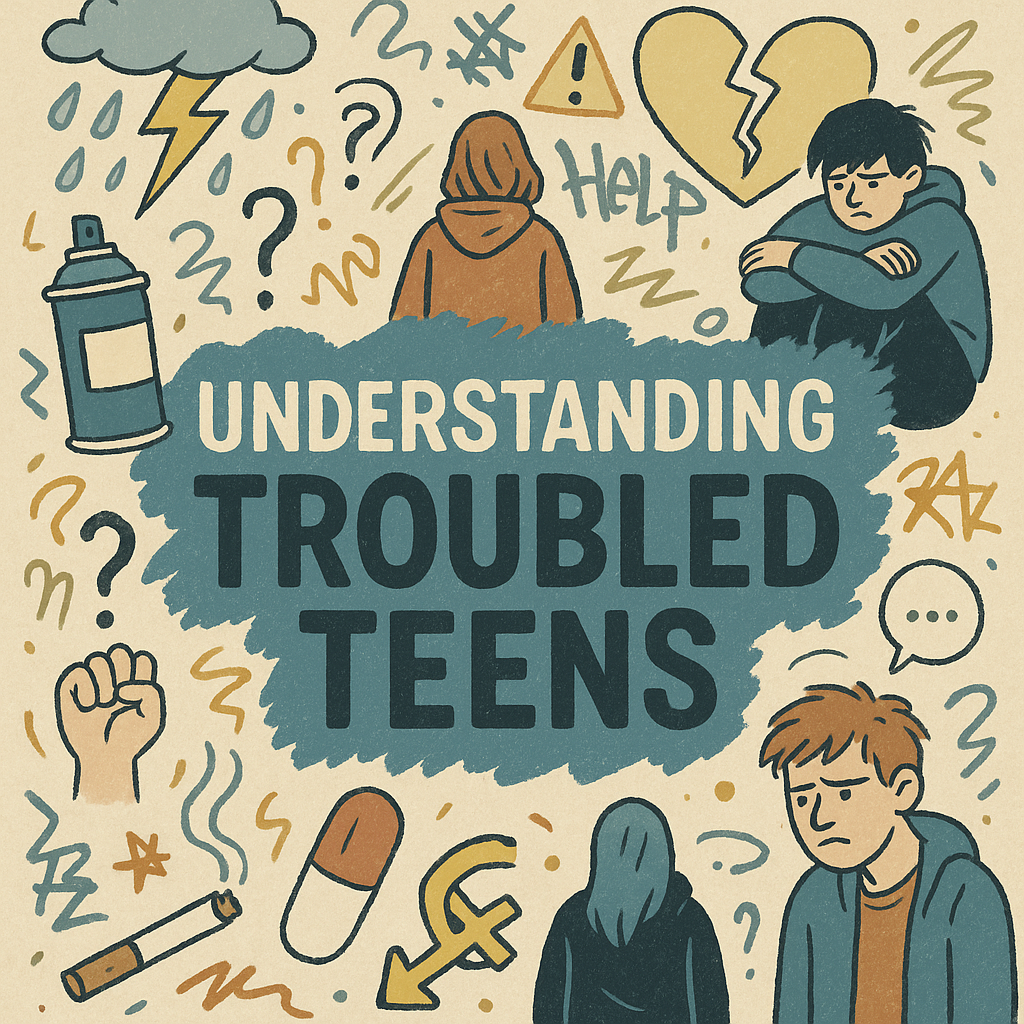
Interpreting Behavior as Communication
Behavior is often a communication tool that reflects underlying emotions and needs. What may manifest as rebellion, withdrawal, or risk-taking behaviors can be a cry for help or an expression of unmet needs, such as a lack of social connection or unresolved anxiety or depression. When adults respond to challenging behaviors with curiosity rather than punishment, they can better support teens in addressing the underlying issues. This can involve active listening, validating emotions, and developing healthy coping mechanisms to meet adolescents’ needs better and promote their emotional growth. In summary, the teen experience is complex and challenging, and a multifaceted approach to support is required. By understanding the realities that teens face, building strong relationships, and helping them interpret their behavior, we can provide the support that they need to thrive.
Accessing and Utilizing Mental Health Resources
Access to Mental Health Resources: Ensuring the availability of mental health services is crucial for early identification and intervention. Schools, healthcare providers, and community organizations can help identify warning signs and connect teens to appropriate supports. Early intervention can prevent concerns from escalating and minimize long-term consequences. Community programs that promote social and emotional learning, resilience-building, and peer support are valuable tools in equipping teens with coping skills. Resources should be accessible, culturally sensitive, and tailored to the diverse needs of today’s youth.
Collaborative Support Systems for Teens
Collaboration Among Stakeholders: Collaboration among families, schools, and community agencies is vital for comprehensive support. No single stakeholder can meet all of a teen’s needs. Effective collaboration involves open communication, shared goals, and coordinated action plans that leverage each partner’s strengths. Families provide unique insights into their teens’ history and needs, while schools and community organizations offer specialized expertise and resources. By working together, these stakeholders can create a seamless network of care that addresses the holistic needs of teens across multiple contexts.
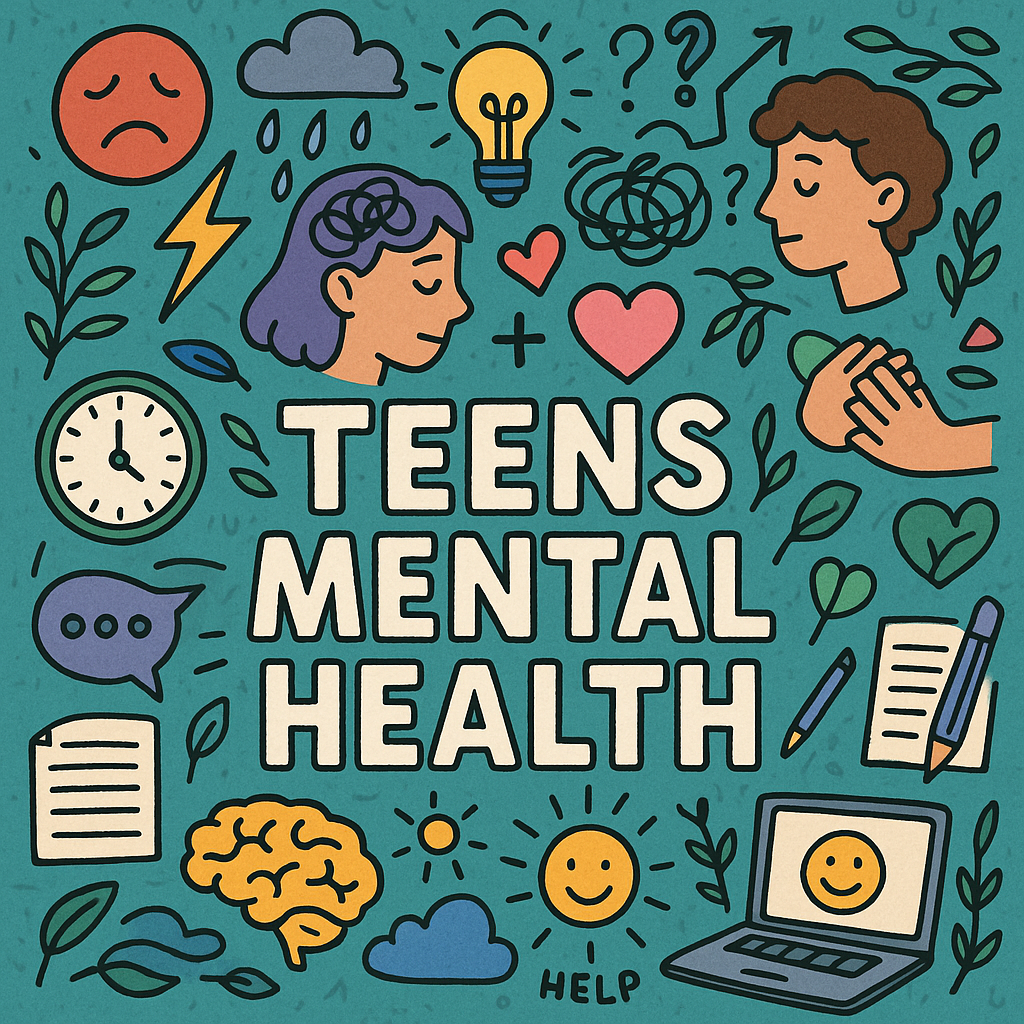
Empowering Teens Toward Autonomy and Well-being
Empowering Teens to Advocate for Themselves: Taking an active role in their well-being is essential. Encouraging self-advocacy, teaching problem-solving skills, and providing opportunities for meaningful participation can help teens build confidence and autonomy. When young people are equipped with knowledge about mental health, behavior, and available resources, they are better positioned to make informed decisions and seek help when needed. This empowerment not only supports individual growth but also contributes to healthier, more resilient communities.
Unlock the Ultimate Guide to Supporting Your Teen—Enroll Today!
Are you worried about a teen facing tough challenges? Our comprehensive 15-chapter online course is your go-to roadmap for understanding, supporting, and empowering troubled teens. Whether you’re a parent, educator, or counselor, you’ll master practical skills to connect with teens, decode their behaviors, and make a real difference in their lives.What’s Inside?
Why Wait?
Start transforming your approach and help teens thrive—enroll now and gain lifelong tools to support the next generation!
Latasha Fleming – Support@createitdigital.com
Click here to visit my website
Resell ready video courses give creators and marketers a faster way to launch, sell, and scale digital offers without building from scratch.

Learn how to customize PLR ebooks fast so they look original, match your brand, and sell better across niches, funnels, and digital offers.

Learn what master resell rights mean, how they work, what you can legally sell, and where the real profit potential and limits actually are.

Discover the best AI resources for entrepreneurs to save time, create faster, market smarter, and build scalable online income with less overhead.