
Frequently Bought Together
Description
Book Overview
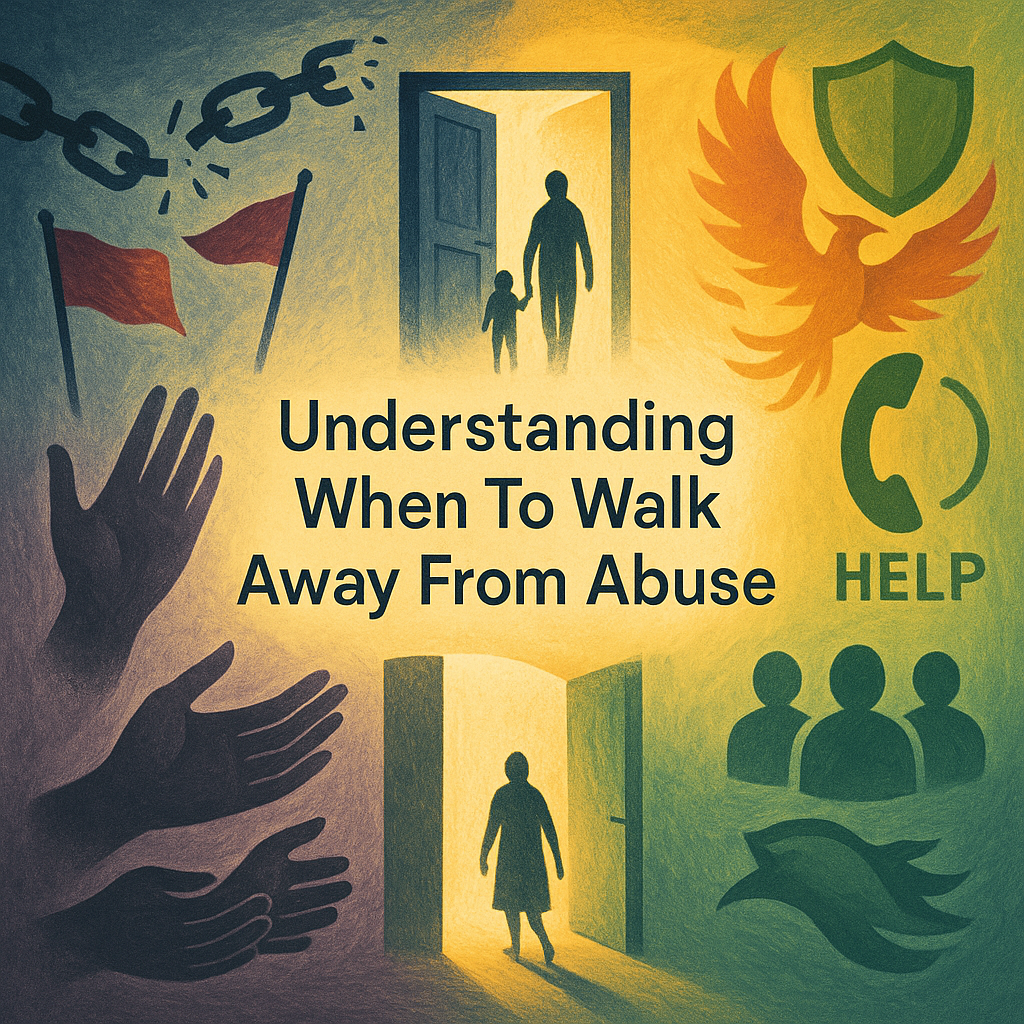
“The Breaking Point: Understanding When to Walk Away from Abuse” is an essential guide for individuals seeking to comprehend the complexities of abusive relationships. It addresses the emotional, physical, and psychological dimensions of abuse, emphasizing the critical importance of recognizing one’s limits and understanding when to leave a harmful situation. Through relatable examples and clear explanations, this book aims to empower readers with knowledge, enabling them to navigate their own experiences or support others who may be facing similar challenges. It champions the idea that understanding the dynamics of abuse is the first step toward healing and making informed decisions.
Core Concepts
Understanding Abuse: A clear definition of what constitutes abuse, including the various forms it can take, such as emotional, physical, and financial abuse. The Cycle of Abuse: An exploration of the patterns that characterize abusive relationships, including the tension-building phase, the incident, reconciliation, and calm.
Recognizing Red Flags: Identifying warning signs that indicate a relationship may be abusive, empowering individuals to take action before it escalates. Empowerment and Support: The importance of building a supportive network and seeking professional help to regain control and make informed decisions.
Book Structure
1. Chapter 1: Introduction to Abuse
This introductory chapter welcomes readers to the critical study of abusive relationships. It highlights the importance of understanding abuse in its various forms and introduces foundational concepts, such as victimization and empowerment. Historical context is provided to illustrate how societal views on abuse have evolved, alongside a theoretical framework for understanding the psychological impacts of abusive dynamics. Key terminology is defined to facilitate a comprehensive grasp of the subject, ensuring that readers feel equipped to embark on this educational journey.
2. Chapter 2: The Cycle of Abuse
This chapter delves into the cyclical nature of abusive relationships, presenting the concept of the cycle of abuse in detail. Readers will learn about the stages: tension-building, acute incident, reconciliation, and calm. Each phase is illustrated with real-life examples to enhance understanding. The chapter encourages self-reflection by asking readers to identify which phase they recognize in their own experiences or those of others, fostering a deeper comprehension of the dynamics at play.
3. Chapter 3: Recognizing Red Flags
In this chapter, the focus shifts to identifying the early warning signs of abusive behavior. Readers will learn about common red flags, such as excessive jealousy, manipulation, and control tactics. The chapter presents relatable scenarios to illustrate these behaviors and encourages readers to reflect on their own relationships. Practical exercises are included, prompting readers to outline their experiences and identify any concerning patterns, thus facilitating proactive steps toward healthier relationships.
4. Chapter 4: Empowerment and Support Systems
This chapter highlights the significance of empowerment and the crucial role of support systems in combating abuse. It discusses the value of seeking help from friends, family, and professionals, and offers strategies for building a supportive network. Additionally, the chapter highlights resources, such as hotlines and counseling services, that can provide assistance. Through reflective questions, readers are encouraged to evaluate their support systems and consider how to create a more empowering environment for themselves.
5. Chapter 5: Conclusion: Moving Forward
The concluding chapter synthesizes the major concepts explored throughout the book, reinforcing the idea that understanding abuse is crucial for personal growth and healing. It acknowledges the emotional journey readers have undertaken and discusses broader implications for society, advocating for continued awareness and education on the topic. The chapter encourages readers to apply their newfound knowledge in their lives and communities, fostering a culture of support and understanding for those affected by abuse.
Learning Approach
The book employs a multifaceted learning approach, incorporating case studies, real-life examples, and theoretical frameworks to present information engagingly. Each chapter includes practical exercises and reflective questions designed to deepen understanding and facilitate personal connection to the material. This structure not only fosters knowledge retention but also empowers readers to apply what they learn to their own lives.
Key Takeaways
Readers will come away with a comprehensive understanding of the different forms of abuse, the dynamics of abusive relationships, and the importance of recognizing red flags. They will also learn how to build supportive environments and seek help when needed. Ultimately, the book empowers readers to make informed decisions about their relationships and emphasizes the importance of self-care and healing.
Target Application
The knowledge gained from this book can be applied across various contexts—academic, professional, or personal. Readers can utilize their understanding of abuse dynamics to foster healthier relationships, support those in need, and advocate for awareness in their communities. Moreover, the skills developed through self-reflection and practical exercises can enhance personal resilience and promote emotional well-being in all areas of life.


Reviews
There are no reviews yet.